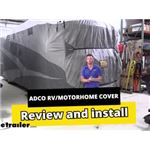
Built for varied climates, ADCO makes a class c rv cover that beads water, breathes to reduce mold risk, and shields against UV. Zippered panels let you access the interior without pulling the cover off, and front and rear cinch ropes remove slack for a tighter fit. If your Class C doesn't have a cab-over, expect a little extra fabric up front, which those cinch straps help secure.
Yes, zippered panels allow access without removing the cover. Use the passenger-side openings to check the interior or start the engine during storage. Make sure zippers are fully closed and straps are snug after each access to help prevent wind from working under the cover.
They use polypropylene that works to bead water, increase breathability to reduce mold risk, and protect against UV. Secure all straps and cinch ropes to reduce billowing in wind. If bungee clamps loosen or cords stretch, swap to rope and add more tie points if needed. Check for sharp edges that could wear the fabric.
Match the cover to your RV's bumper-to-bumper length. A 26-29 foot cover fit like a glove on a 29' Class C. If your RV lacks a cab-over bunk, expect some extra fabric at the front; use the built-in cinch straps to pull it tight. Avoid going too big since excess material can catch wind and be harder to secure.
It can be done solo in about 90 minutes. Lay the cover out correctly and use the included weights to pass straps under the RV, even on gravel. An installation video helps. With two people, the process is fairly painless. If a strap or clamp seems loose, retighten before wind picks up.
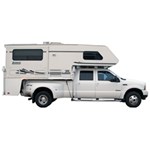
Yes, but expect extra material around the cab area. Use the front cinch straps to take up slack for a snugger fit. Measure your overall length and choose the correct size range. After tightening, add fore-and-aft tie-downs to help keep the front section from catching wind.


 20 Feet Long
 Filters