Every spring we hear the same thing:“It worked last fall. I plugged it in today… and now the trailer lights aren’t working.”Maybe the brake lights don’t come on.Maybe one turn signal is blinking fast.Maybe the running lights are dim.Or maybe nothing works at all.If that’s you, take a breath.This is one of the most common trailer wiring problems we help neighbors solve after winter storage, and most of the time it’s not a major failure.Before replacing bulbs, rewiring the trailer, or buying a new connector, you need to answer one simple question:Is the problem on the truck side or the trailer side?That single step prevents a lot of unnecessary parts, rewiring, and frustration. Here’s how to test it properly.
If your trailer lights worked last season but not now, you’re not imagining it.Winter is hard on trailer wiring systems, especially on trailers stored outside. Moisture gets inside connectors, road salt accelerates corrosion, and freeze-thaw cycles loosen splices. Ground connections rust under ring terminals, and wiring that sat in the cold becomes brittle.We see this constantly in early spring, especially on utility trailers, boat trailers, and open-frame equipment trailers.The good news?Most spring trailer light problems are corrosion- or ground-related, and once you isolate the issue, they’re usually fixable without replacing the entire trailer wiring harness.The key is not guessing. The key is testing.
A helper if possible (makes things easier, but not required)
You don’t need a multimeter for basic trailer light troubleshooting. A simple tester is enough to confirm whether power is present at the connector.
Step 1: Test the Vehicle Plug First
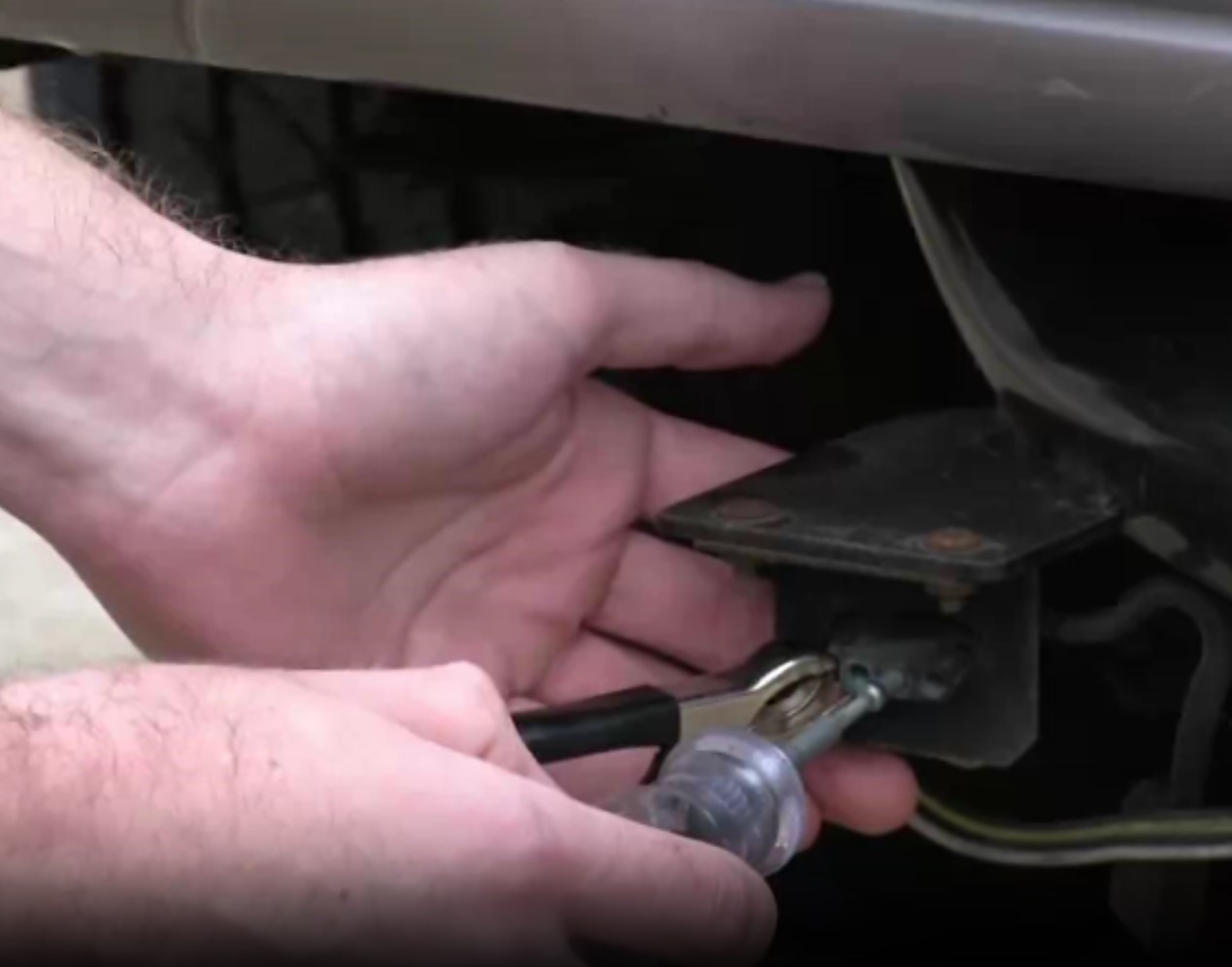
Before touching the trailer wiring, test the vehicle’s 4-way or 7-way connector. This one step prevents a lot of unnecessary trailer repairs.With the trailer unplugged:
Start the vehicle.
Turn on the running lights.
Activate the left turn signal.
Activate the right turn signal.
Press the brake pedal.
Use the tester to probe each pin on the vehicle connector.You’re looking for:
The running light pin lighting up when headlights are on
The left turn pin blinking with the left signal
The right turn pin blinking with the right signal
The brake pin lighting solid when the brake is pressed
If a function does not show power at the vehicle plug, the issue is likely a blown fuse, wiring problem, bad ground, or converter issue on the vehicle.In that case, the problem is on the truck side, not the trailer.We walk neighbors through this exact test every week, and it often saves them from tearing into perfectly good trailer wiring when the real issue is under the hood or under the dash.If the vehicle plug tests correctly and all functions are working there, that’s your green light to move on to the trailer. Move to Step 2.
etrailer Tip
Don’t rely on wire color alone. Trailers get modified. Previous owners splice in whatever wire they had. Colors fade. Aftermarket repairs change things.Always test by function, not by color.
Before touching the trailer wiring, test the vehicle’s 4-way or 7-way connector. This one step prevents a lot of unnecessary trailer repairs.With the trailer unplugged:
Start the vehicle.
Turn on the running lights.
Activate the left turn signal.
Activate the right turn signal.
Press the brake pedal.
Use the tester to probe each pin on the vehicle connector.You’re looking for:
The running light pin lighting up when headlights are on
The left turn pin blinking with the left signal
The right turn pin blinking with the right signal
The brake pin lighting solid when the brake is pressed
If a function does not show power at the vehicle plug, the issue is likely a blown fuse, wiring problem, bad ground, or converter issue on the vehicle.In that case, the problem is on the truck side, not the trailer.We walk neighbors through this exact test every week, and it often saves them from tearing into perfectly good trailer wiring when the real issue is under the hood or under the dash.If the vehicle plug tests correctly and all functions are working there, that’s your green light to move on to the trailer. Move to Step 2.
etrailer Tip
Don’t rely on wire color alone. Trailers get modified. Previous owners splice in whatever wire they had. Colors fade. Aftermarket repairs change things.Always test by function, not by color.
Testing a 4-way plug on the vehicle
Before touching the trailer wiring, test the vehicle’s 4-way or 7-way connector. This one step prevents a lot of unnecessary trailer repairs.With the trailer unplugged:
Start the vehicle.
Turn on the running lights.
Activate the left turn signal.
Activate the right turn signal.
Press the brake pedal.
Use the tester to probe each pin on the vehicle connector.You’re looking for:
The running light pin lighting up when headlights are on
The left turn pin blinking with the left signal
The right turn pin blinking with the right signal
The brake pin lighting solid when the brake is pressed
If a function does not show power at the vehicle plug, the issue is likely a blown fuse, wiring problem, bad ground, or converter issue on the vehicle.In that case, the problem is on the truck side, not the trailer.We walk neighbors through this exact test every week, and it often saves them from tearing into perfectly good trailer wiring when the real issue is under the hood or under the dash.If the vehicle plug tests correctly and all functions are working there, that’s your green light to move on to the trailer. Move to Step 2.
etrailer Tip
Don’t rely on wire color alone. Trailers get modified. Previous owners splice in whatever wire they had. Colors fade. Aftermarket repairs change things.Always test by function, not by color.
Testing a 4-way plug on the vehicle
Step 2: Plug In the Trailer and Recheck the Lights
Now plug the trailer back in and test the lights again.If the vehicle plug tested correctly but the trailer lights still don’t work properly, you’ve confirmed the issue is on the trailer side.That’s real progress. Now you’re diagnosing, not guessing.
Step 3: Check the Ground (Most Common Spring Failure)
If the trailer lights are dim, flickering, cross-blinking, or behaving strangely, we immediately check the ground. A weak trailer ground can cause running lights not to work, brake lights to behave inconsistently, or turn signals to blink incorrectly.We see ground failures more than any other trailer wiring issue after winter.Inspect:
The main white ground wire from the trailer plug to the frame
The ground wire at each individual light
Rust, paint, or corrosion under the ground ring terminal
Ground connections must attach to clean, bare metal.If you see rust:
Remove the bolt.
Sand down to clean metal.
Reattach tightly.
Use a star washer so it bites into the frame.
A weak ground can make the entire trailer lighting system look broken when it’s actually a simple fix.
White ground wire on a trailer.
Step 4: Inspect the Trailer Connector
Unplug the trailer and look closely inside the connector.Common spring wiring issues include green corrosion on the pins, moisture trapped inside the plug, loose or pulled-back wires, and exposed copper contacting another circuit.Corrosion inside a 4-way or 7-way trailer plug can block power or cause circuits to cross.If the connector is heavily corroded, replacing it is often more reliable than trying to clean it. We’ve helped many neighbors replace plugs that looked fine on the outside but were failing internally.
Step 5: Follow the Wiring from the Tongue Back
If the plug and ground look good, physically trace the trailer wiring harness from the tongue to the rear lights.Check for:
Pinched wiring near the coupler
Wires rubbing through frame holes
Damage near folding tongues or tilt beds
Frayed insulation or exposed copper
Small rub-through spots are common, especially where wiring moves with suspension travel. Once moisture gets inside damaged insulation, problems show up quickly.
Step 6: Test at the Light Itself
If one specific trailer light isn’t working:
Remove the light housing.
Probe the hot wire feeding that fixture.
Confirm whether power is reaching it.
If power is present but the light doesn’t work, the bulb may be burned out, the LED assembly may have failed, or the light’s ground may be weak.If no power reaches the light, there’s likely a break in the wire between the trailer connector and that fixture.At that point, you’re narrowing it down to a specific section of wiring instead of replacing everything.
Before You Hit the Road
Before your first trip of the season, test your running lights, brake lights, and turn signals again. Make sure everything is bright and consistent, and secure wiring away from moving suspension parts.It only takes a few extra minutes to confirm your trailer lighting system is ready for the road.And if you’re still not sure what you’re seeing, that’s normal. Spring trailer wiring issues can look worse than they are.We’ve helped thousands of neighbors track down trailer light problems over the years, especially the “it worked last fall” kind.If you’re unsure whether it’s a bad ground, connector corrosion, a broken wire, or something on the vehicle side, snap a photo of the plug and the ground connection and tell us what’s working and what isn’t.If it’s simple, we’ll tell you.If you need parts, we’ll help you choose the right connector, wiring harness, or replacement light the first time.The goal isn’t just getting the lights working in the driveway. It’s making sure they’re still working 50 miles down the road.
About Nicki B.I’ve always loved learning and teaching. Every day I get the chance to help a neighbor pick up something new, whether it’s understanding how to tow with more confidence, setting up camp a little easier, or just finding the right gear for their next trip. For me, the real joy comes from turning those little “aha” moments into solutions that make life safer, smoother, and more fun.Outside of work, you’ll usually find me outdoors. I love fishing, camping, and hiking the trails with my family and our golden retriever (who insists on carrying the biggest stick he can find). I spent years as a Cubmaster and scout leader, and now I get to put those skills to good use running our team campouts. My favorite part is making up fun games and activities that get everyone laughing.When I’m not outside, I’m probably curled up with a book or unwinding with some old Top Gear reruns. At the end of the day, I just like finding ways to make things a little easier and more enjoyable, on the road, at camp, or at home.
"In these days of customer "no service" I am usually disapointed when doing business with people I don't know. It was refreshing doing business with you. I'm impressed!"


.png "Nicki B")