


Thank you! Your comment has been submitted successfully. You should be able to view your question/comment here within a few days.
Error submitting comment. Please try again momentarily.

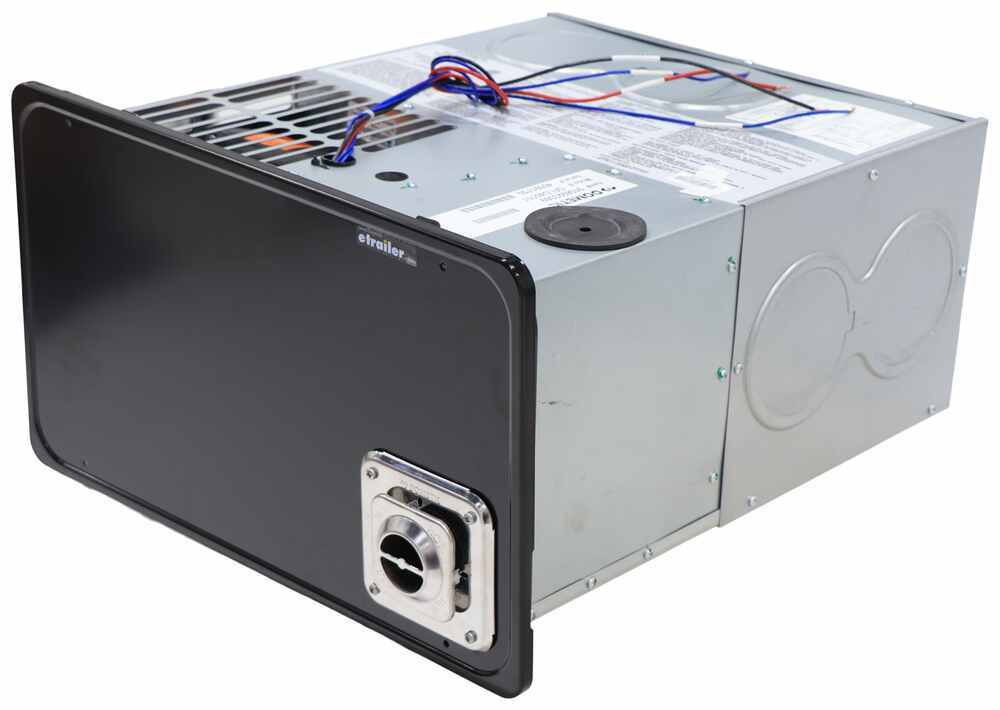
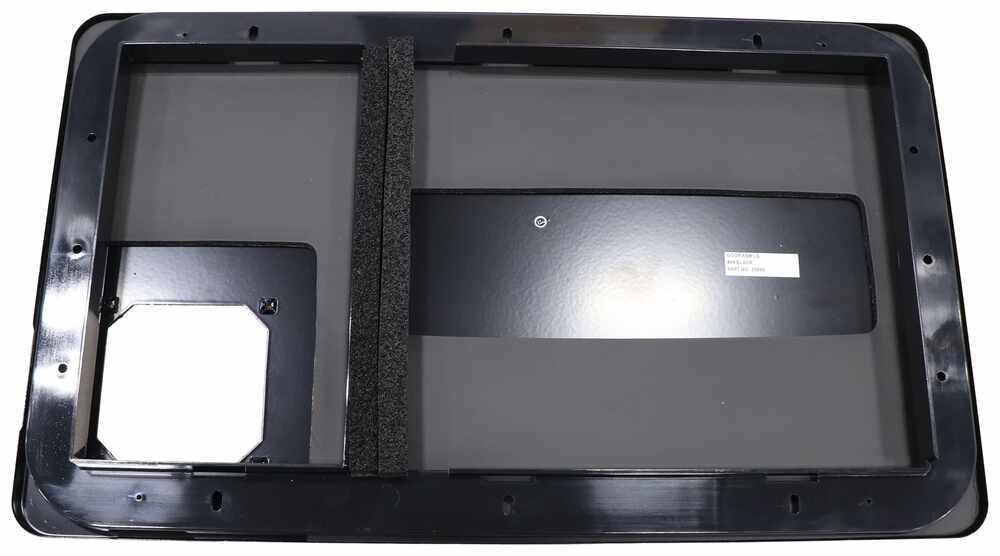
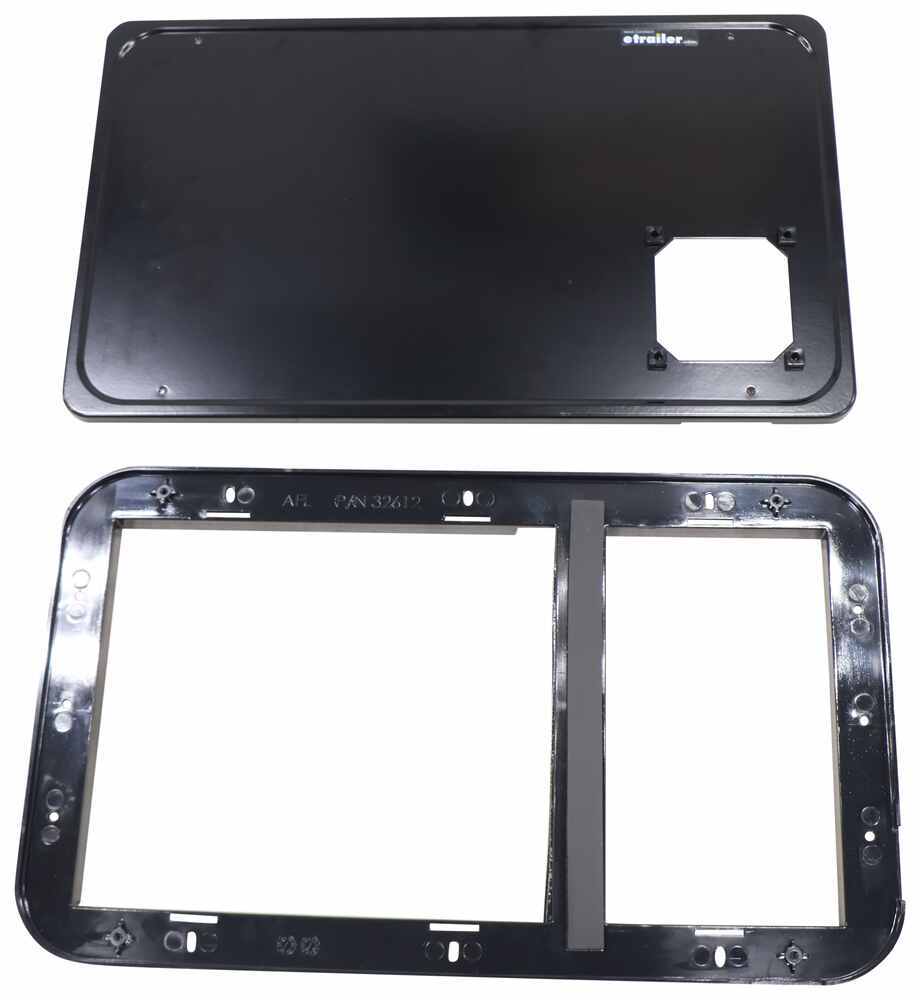
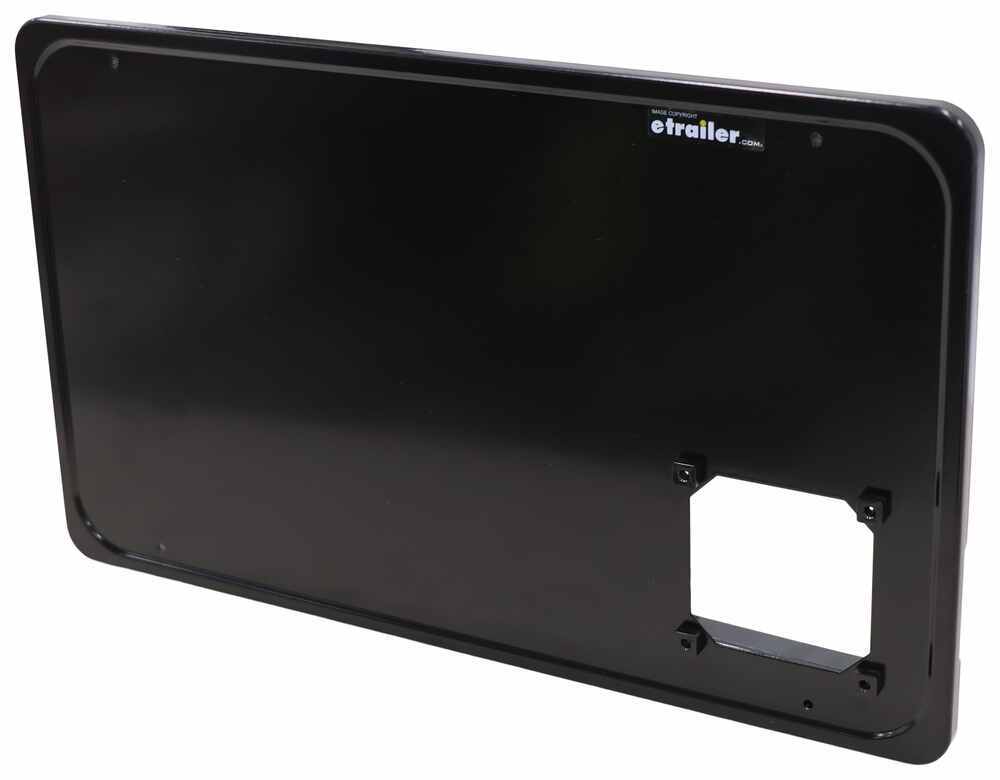
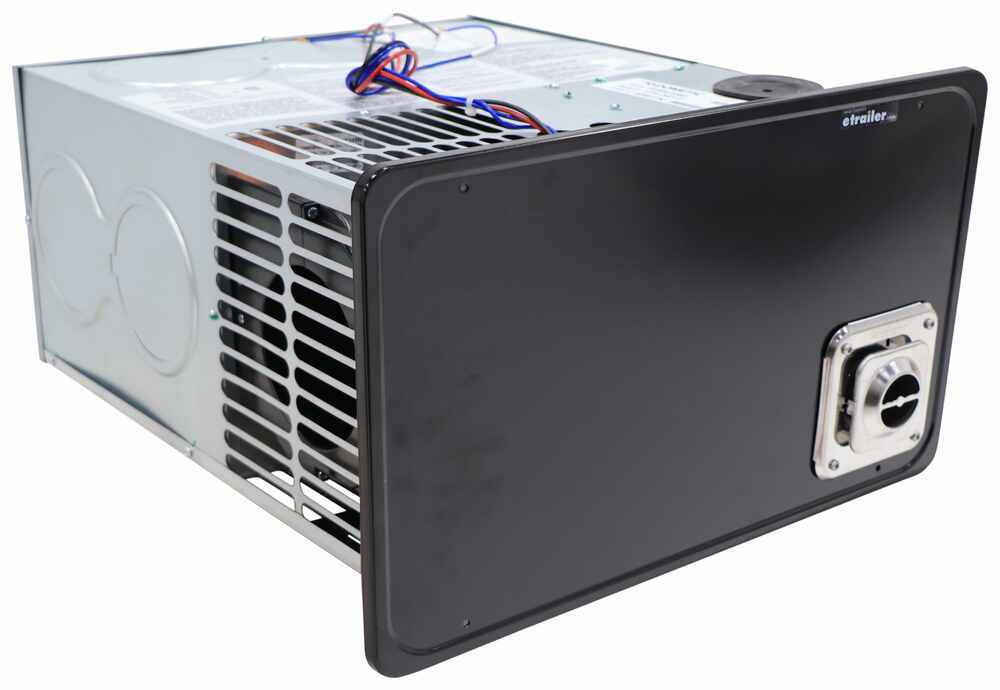
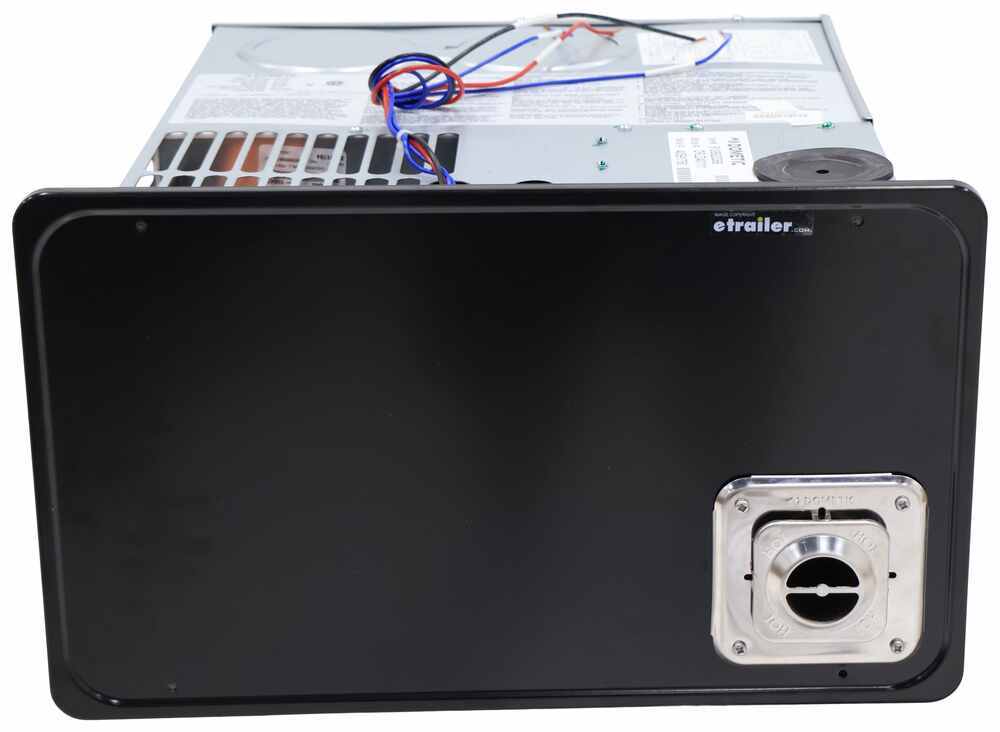
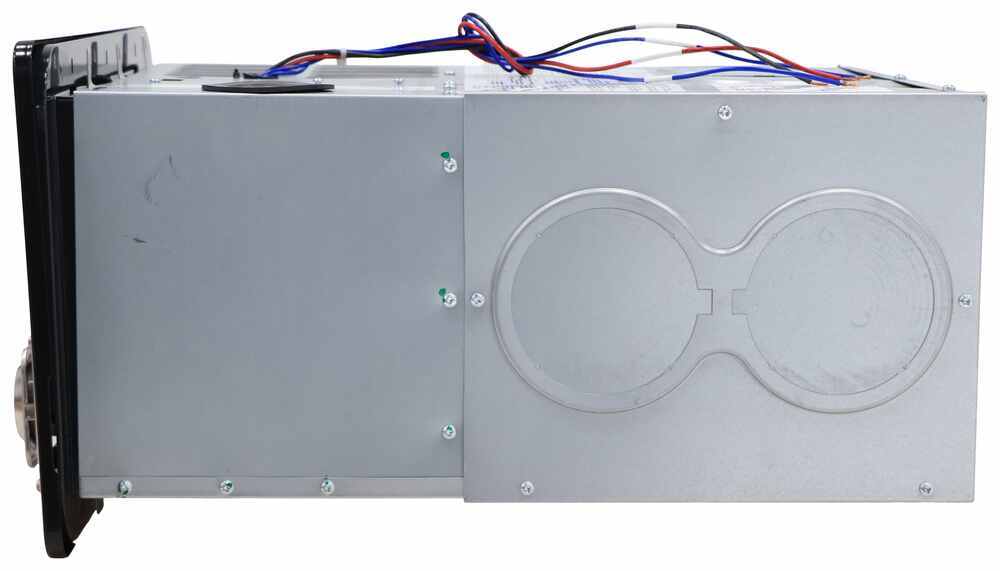
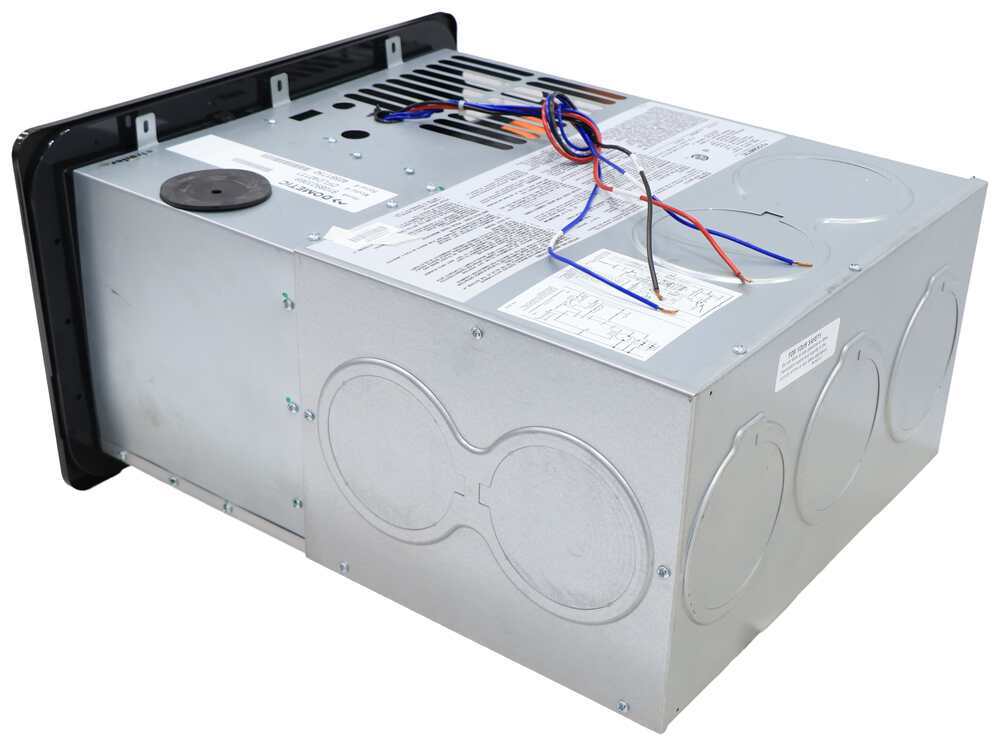
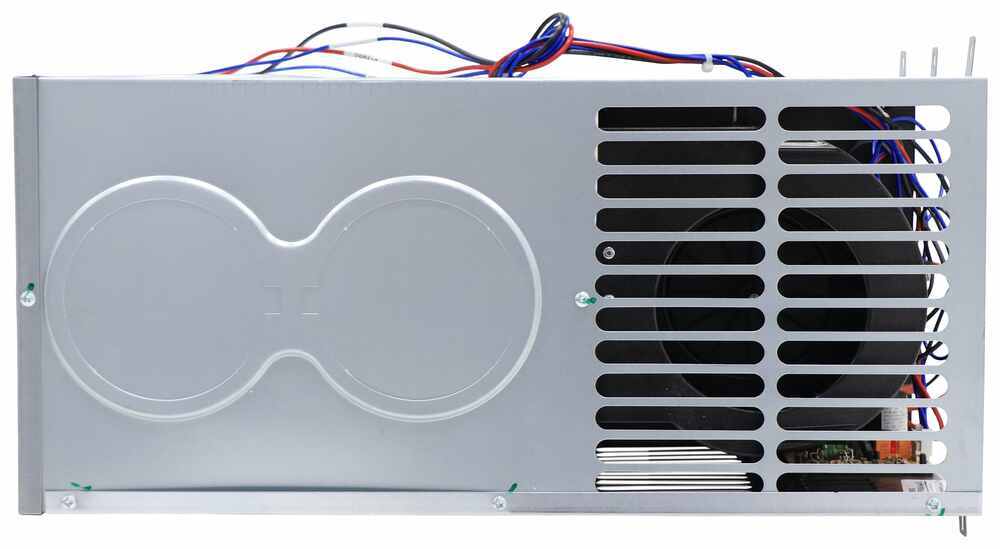
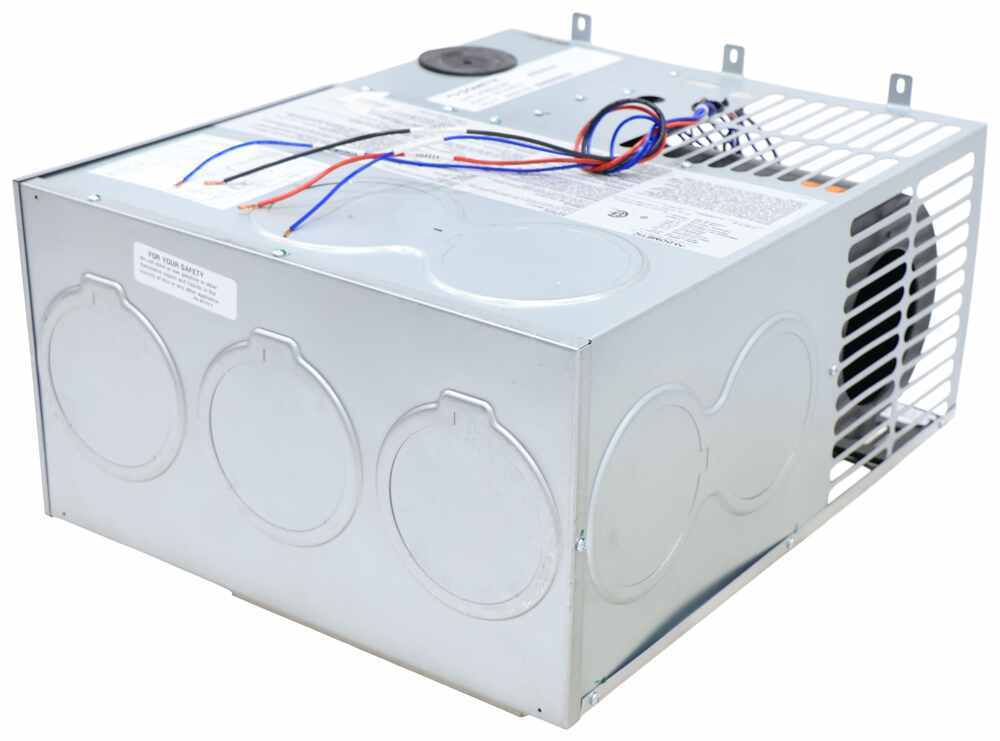
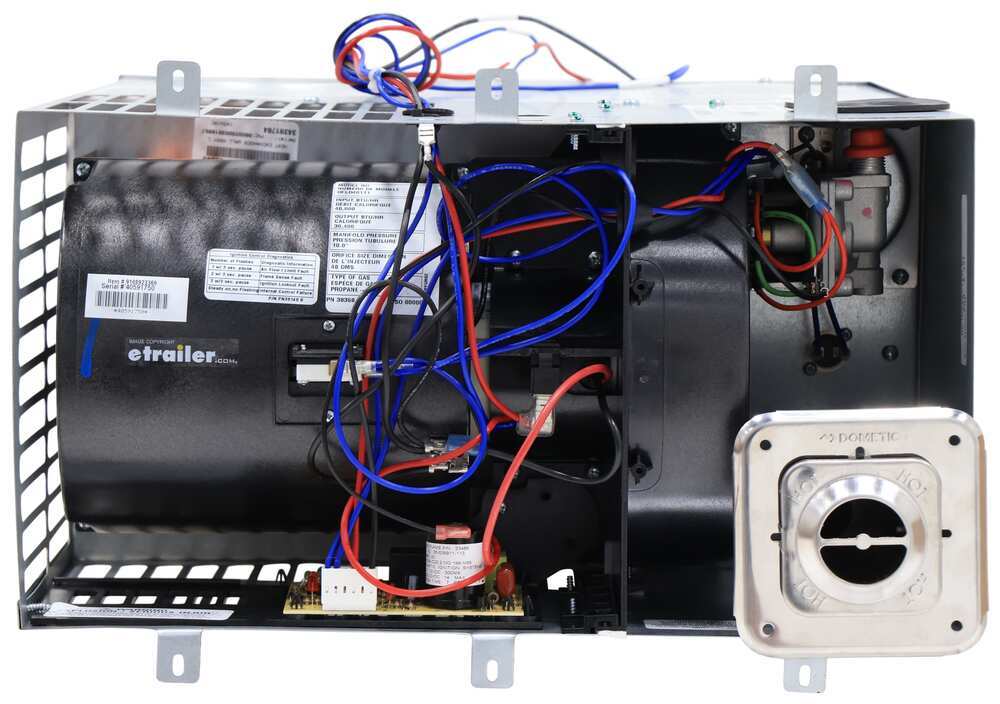
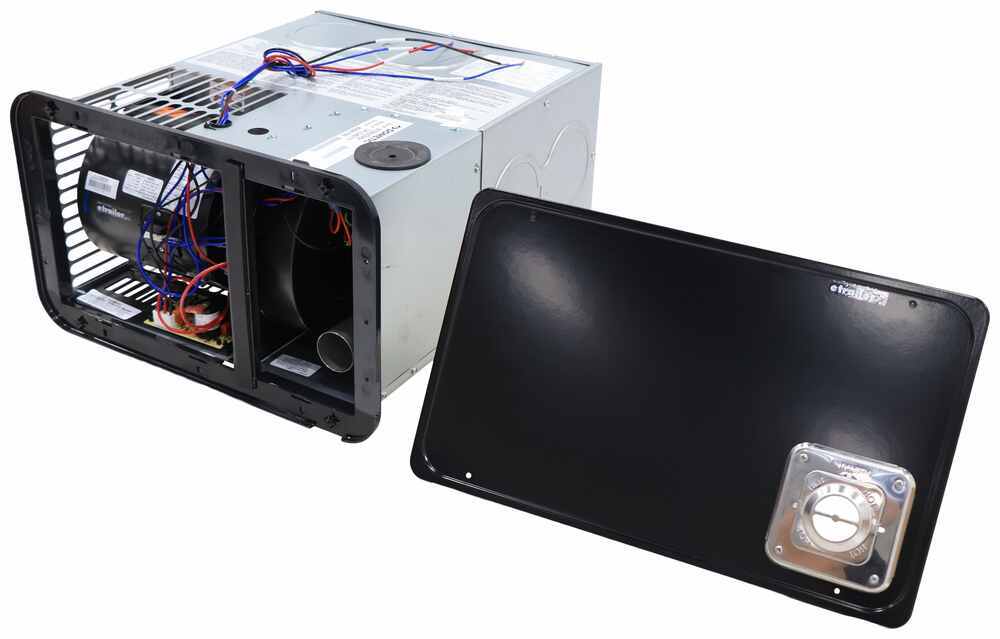
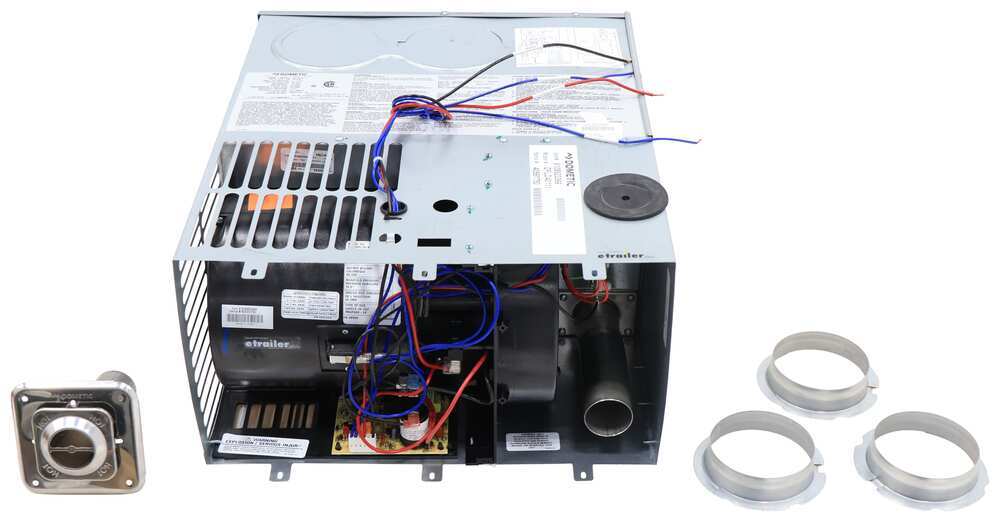
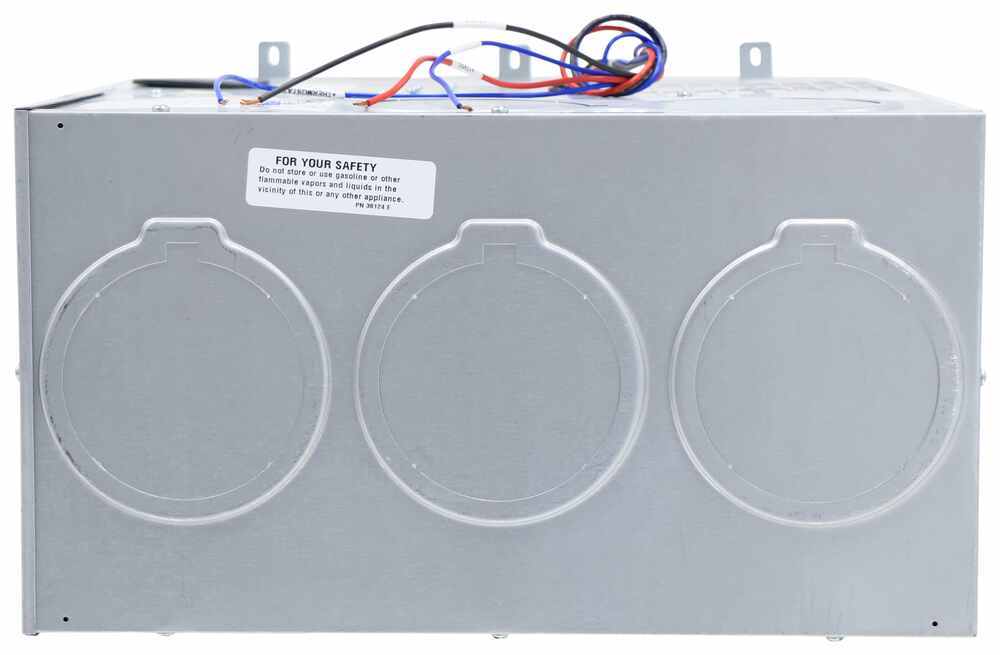
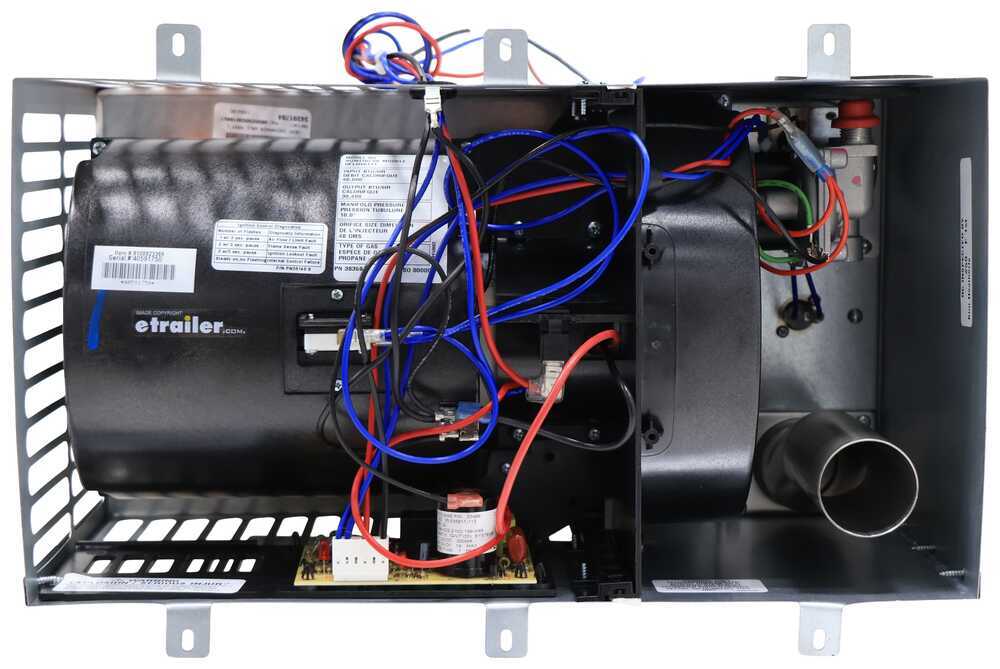
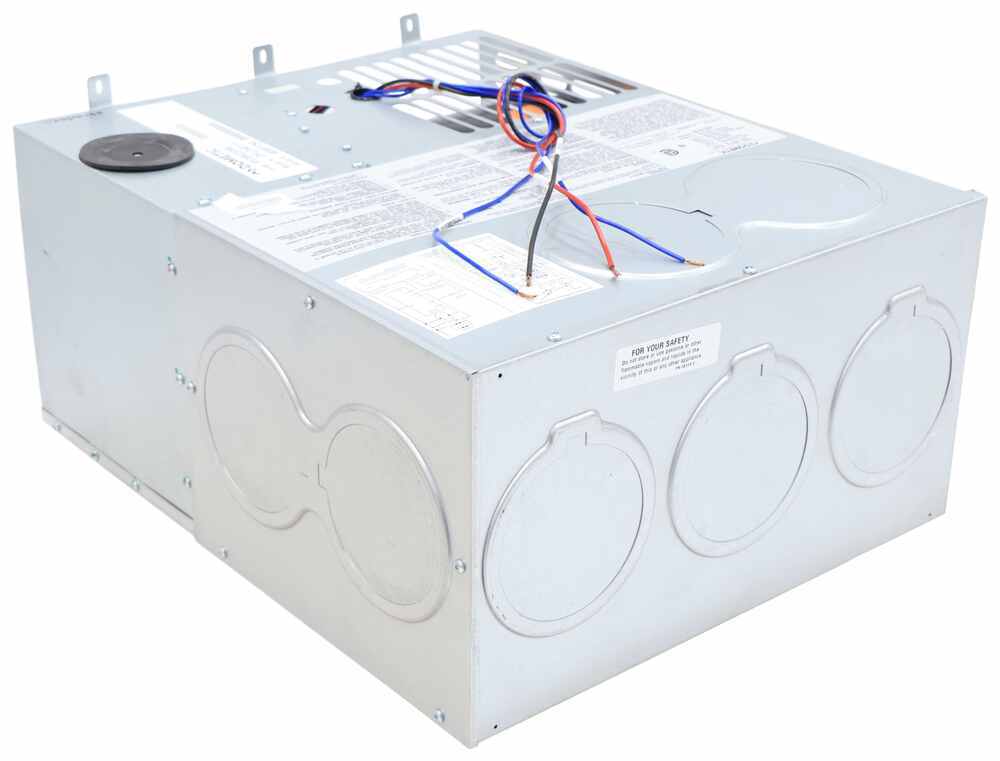
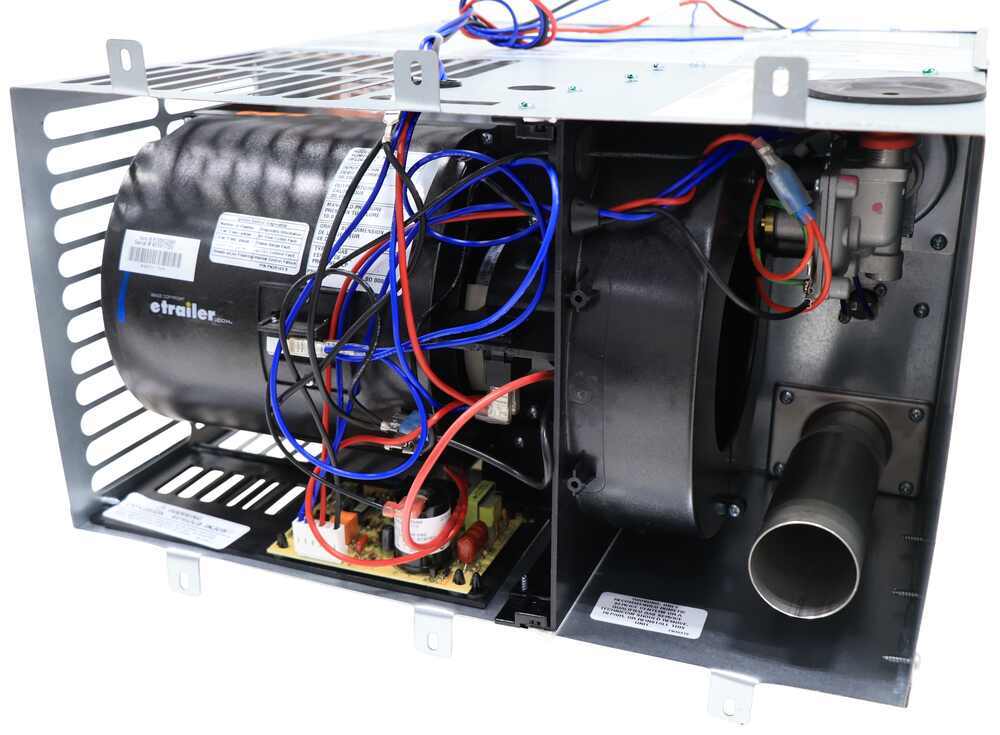
With 40,000 Btu of heat, we recommend this built-in furnace for RVs about 40' long. It will get your RV nice and toasty far quicker than a space heater, and it includes a door so the unit can be serviced from the outside.
Features:
Specs:
Bigger isn't always better. Getting a furnace that's bigger than you need can cause problems. A major one is that it will burn even more propane than you need.
You really only need about 1,000 Btus for every foot of RV length. For example, a 20,000 Btu furnace would be good for a 20' trailer or motorhome. That's why we'd recommend this one for a 40' trailer.
If you're installing a new furnace, the decision between door or doorless furnace will depend on where its installed and how you can get to it for maintenance or repair. With a doorless version, only the vent plate will be visible on the outside of your RV. This gives you a cleaner look, but it also means that you must be able to access the furnace from the inside of your RV.
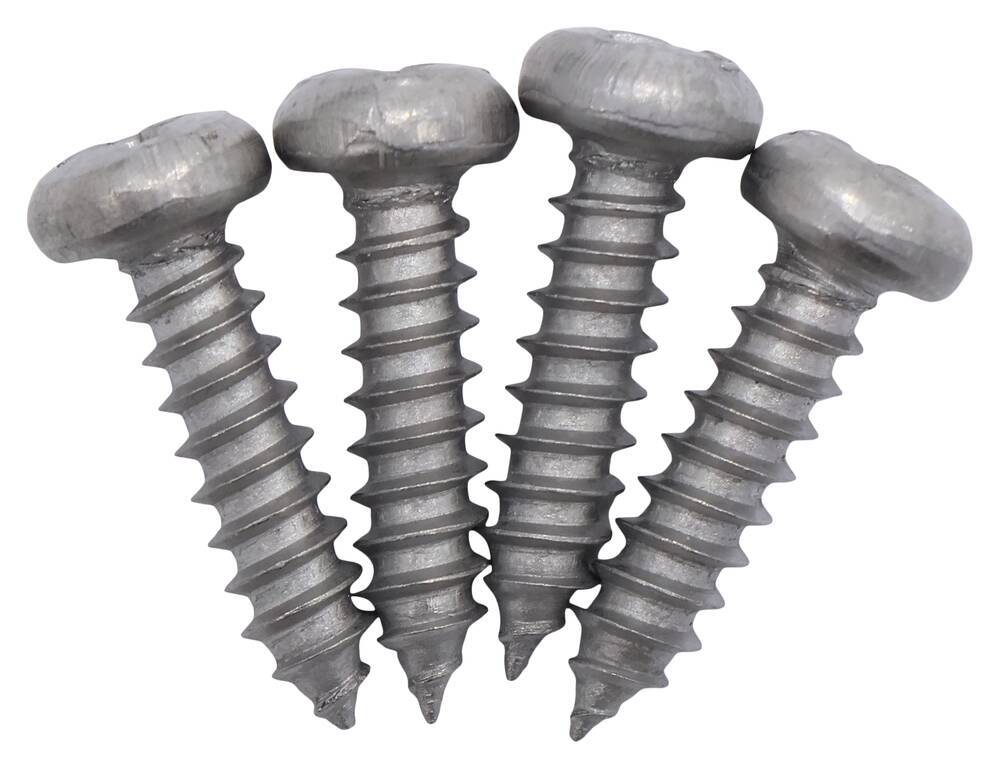
The doored version isn't really a door, but more of an access panel that is screwed in place. You shouldn't need to access your furnace regularly, but when you do, you will need that access panel if the furnace is mounted in a place that you can't easily get to inside your RV.

Ratings & Reviews


Do you have a question about this RV Furnace?
Info for this part was:
At etrailer we provide the best information available about the products we sell. We take the quality of our information seriously so that you can get the right part the first time. Let us know if anything is missing or if you have any questions.








Heather A.
4/11/2026
Thanks for sharing that, and I’m sorry you’re dealing with that right out of the box. That definitely doesn’t sound normal. You’ll usually hear the fan spin up and a click when it ignites, but grinding isn’t something you should be hearing. That does point toward an issue with the blower or motor. Before running it much more, it might be worth double checking that nothing shifted during shipping or install, like a loose housing or something contacting the fan. If everything looks good and the noise is still there, this is something we’d want to take care of for you. If you can, a quick video of the noise would really help us confirm what’s going on and get you taken care of as quickly as possible