


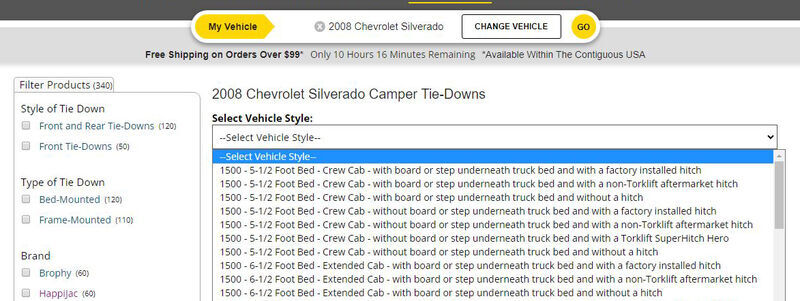
To see if this custom-fit item will work for you please tell us what vehicle you'll use it with.


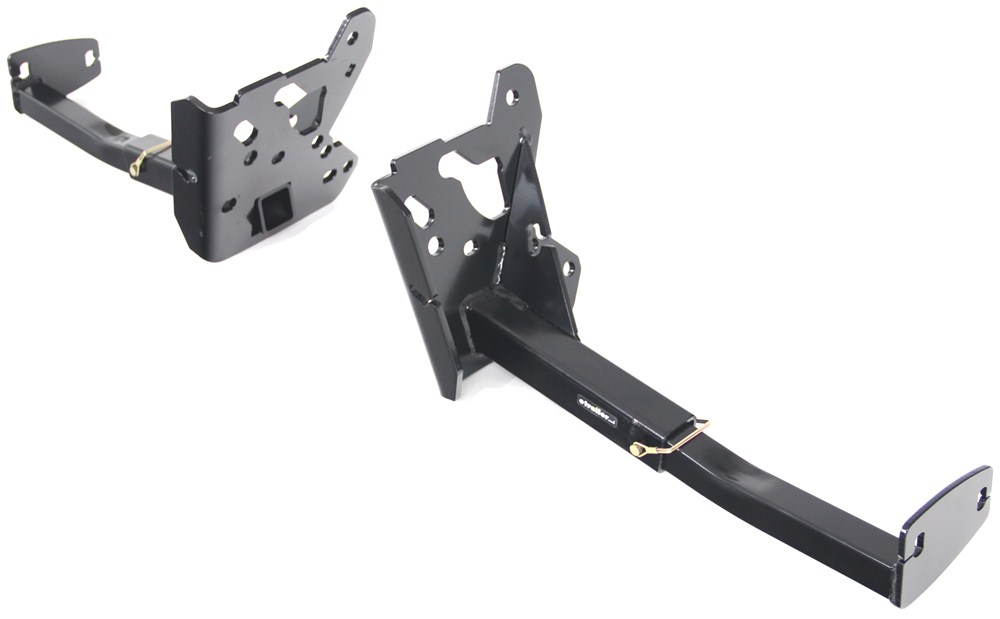
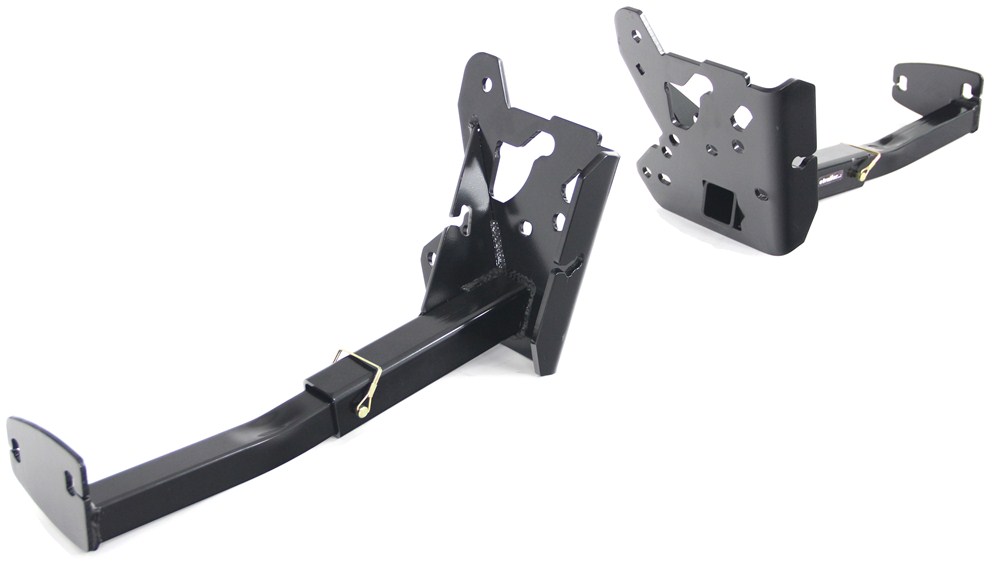
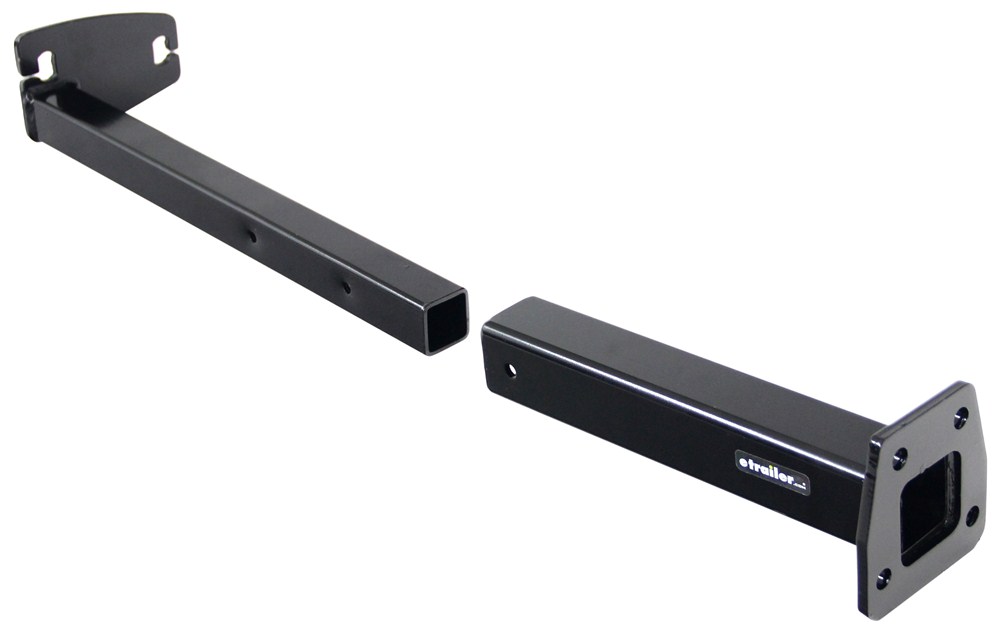
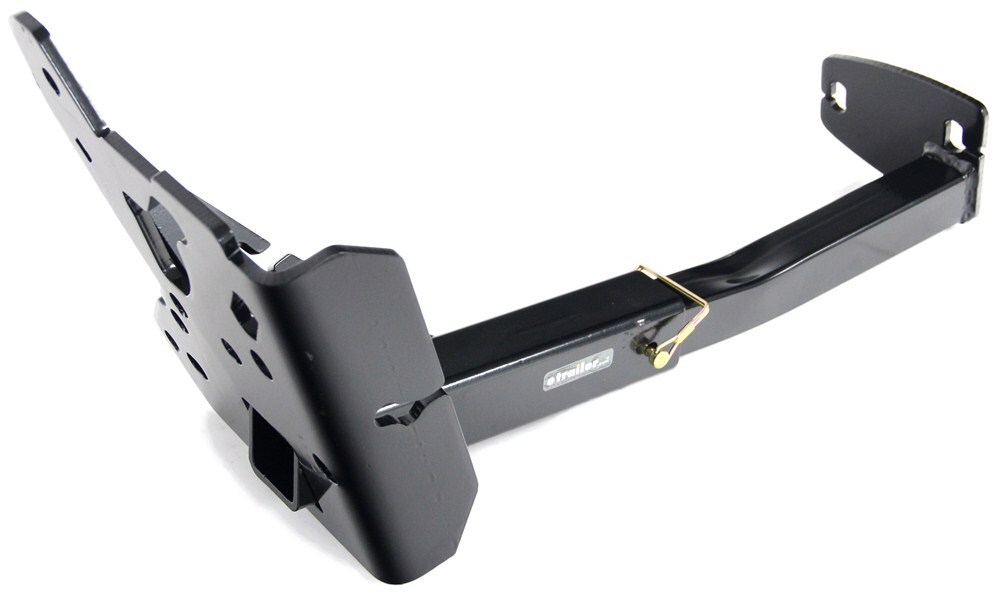
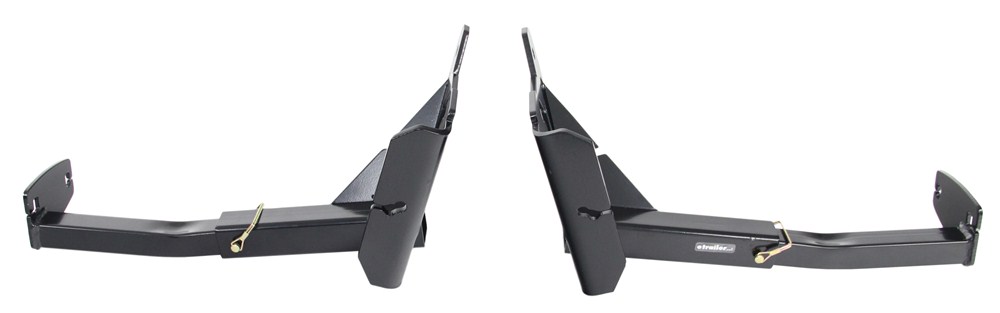
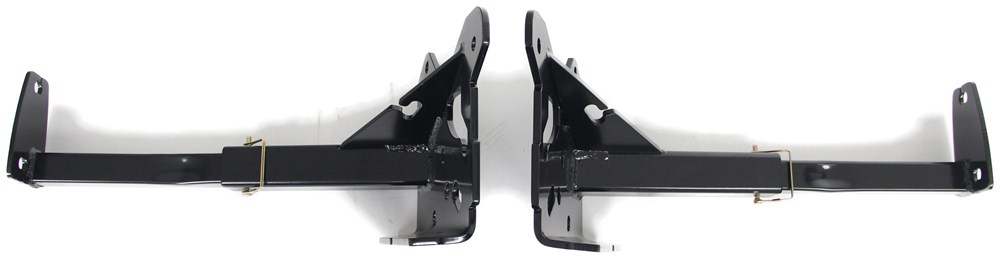
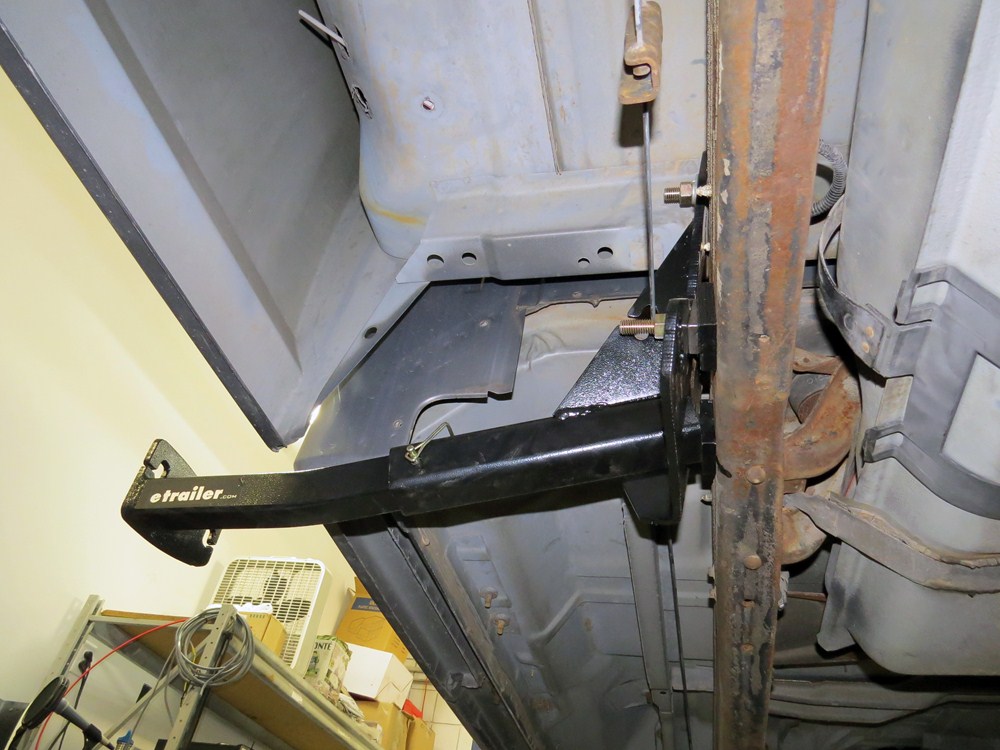
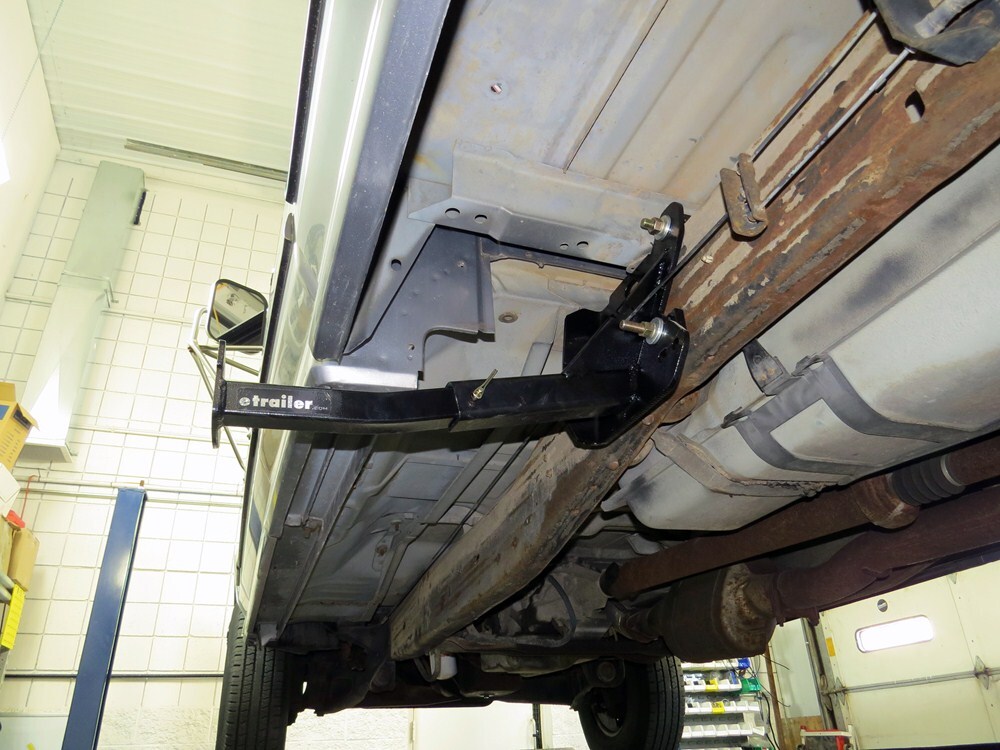
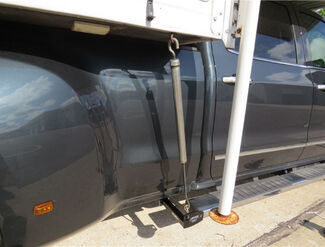
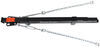
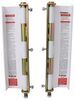
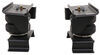
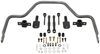
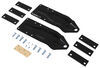
These custom fit tie-downs give you the safest and most comfortable ride when hauling a camper. They mount to the frame of your pickup - no drilling required! With the arms removed, the brackets can barely be seen.
Features:
If you're looking for the best tie-downs for your camper, frame-mounted is the way to go. The frame is the most solid part of your entire vehicle, so it just makes sense to attach your camper to something that's not going to warp, bend, or twist. Even more importantly, the camper's center of gravity will sit lower and its weight will be spread across the entire bed. This avoids a top-heavy load perched on top of your bed rails that's liable to sway and get pushed around by crosswinds. The camper's not going to shift or slide around while you drive; it's going to stay put, and your truck is going to handle just like it does without a camper.
Quick Tip: If you have a plastic or spray-in bed liner, it's important that you use a rubber mat under the camper to eliminate any sliding or bouncing.
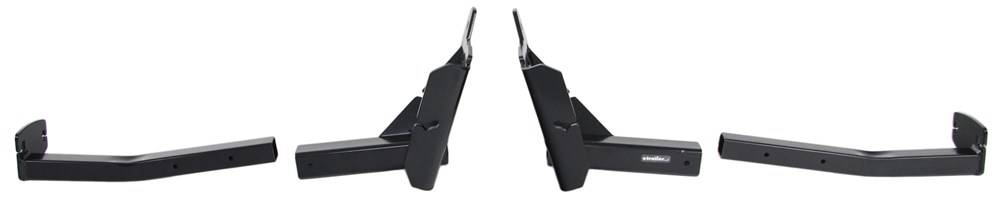
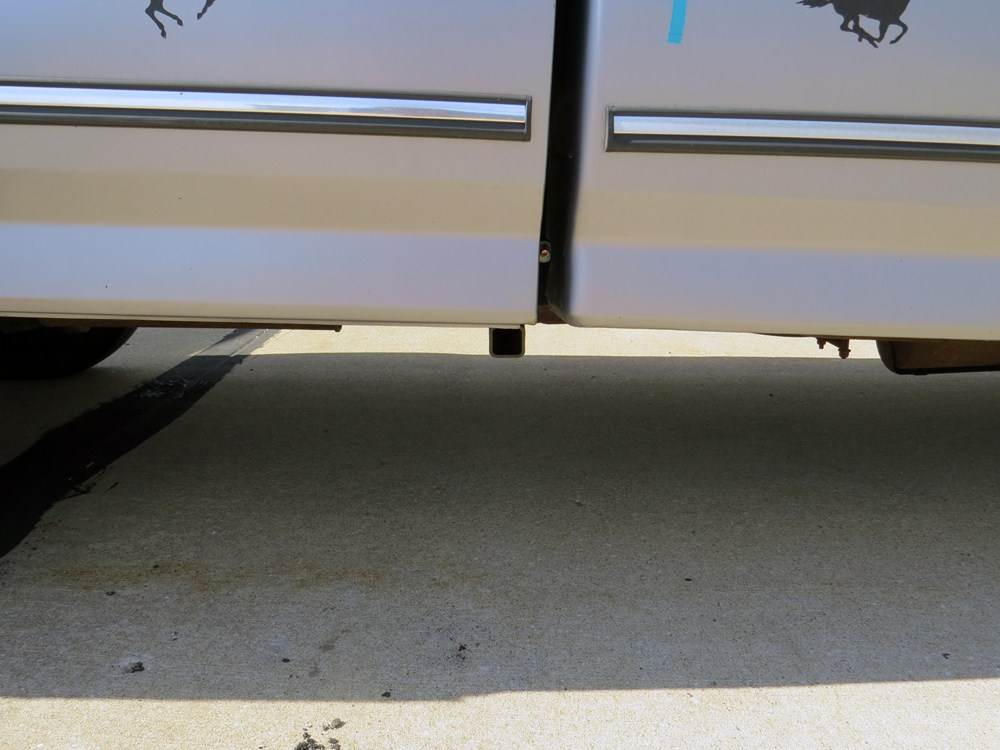
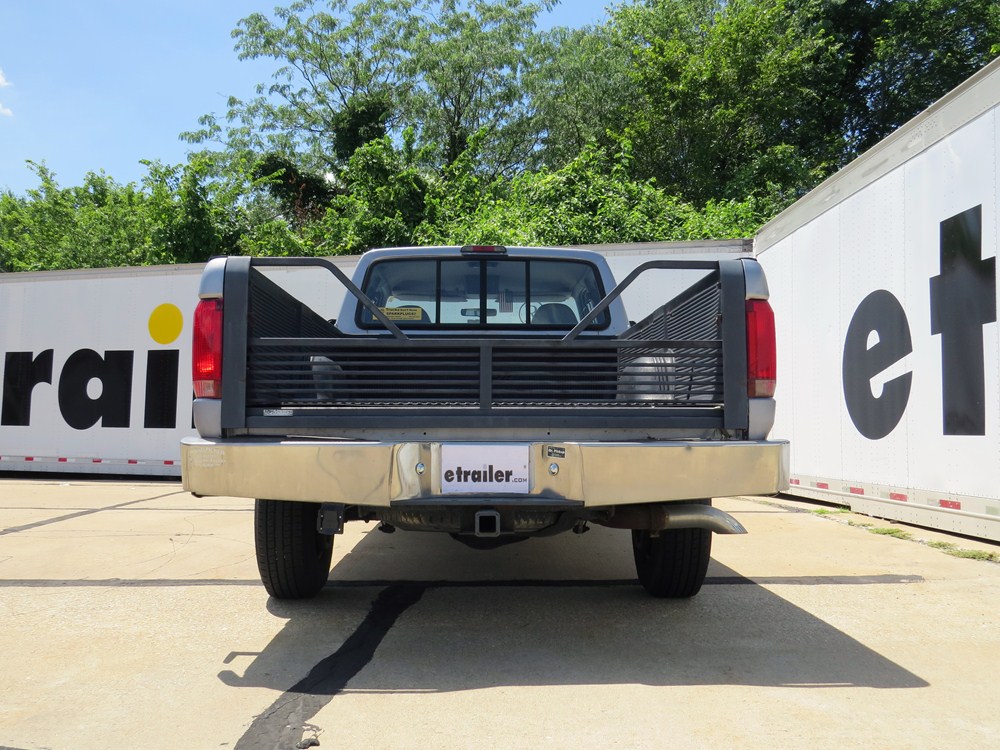
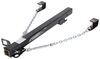
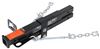
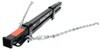
Frame-mounted tie-downs are also a great pick for preserving your truck's good looks. The brackets install on the frame, tucked nearly flush with the underside of the vehicle. Remove the arms from the brackets when you're not hauling your camper, and the brackets will be barely visible.
Completely custom to your vehicle, the tie-downs attach to exisiting holes in your frame so that there's little to no drilling and no need for any modifications. Because they're custom, you'll want to use our in-house application guide to make sure you get the exact right model. The tie-downs you need might be different depending on what type of hitch or other accessories you have.
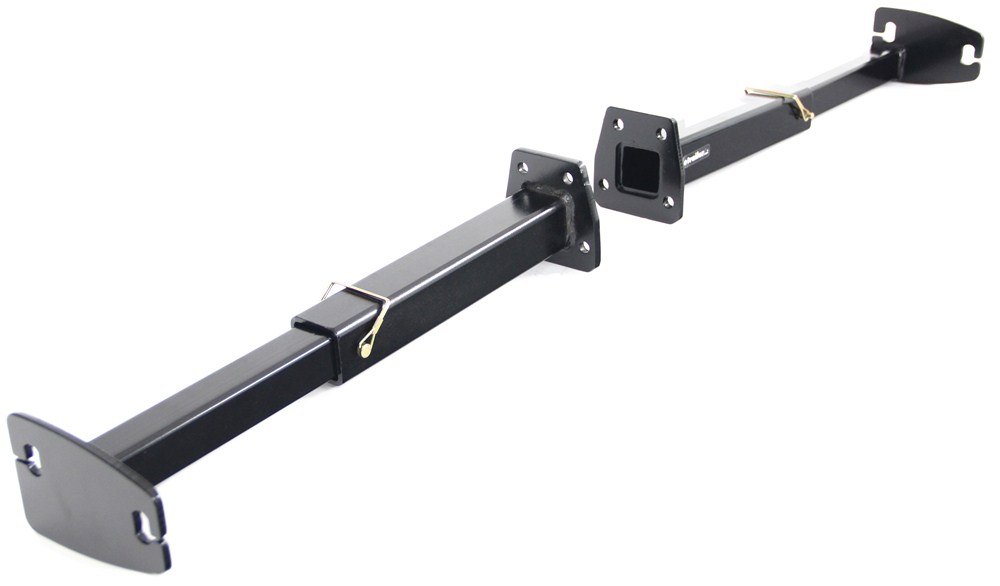
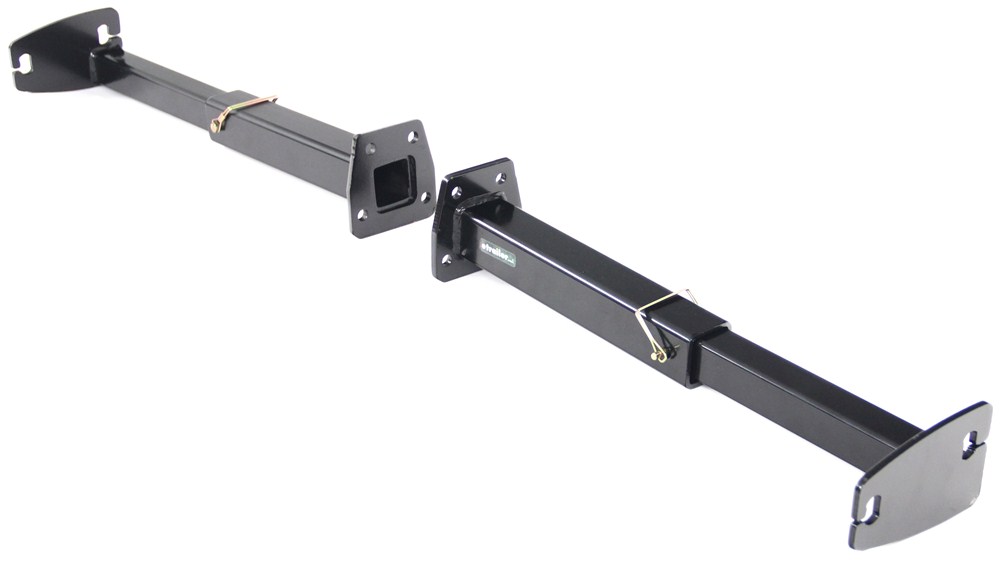
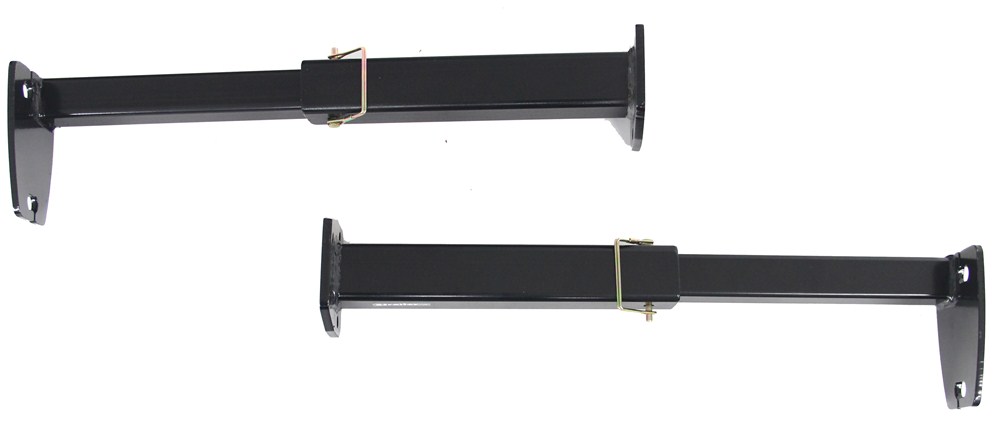
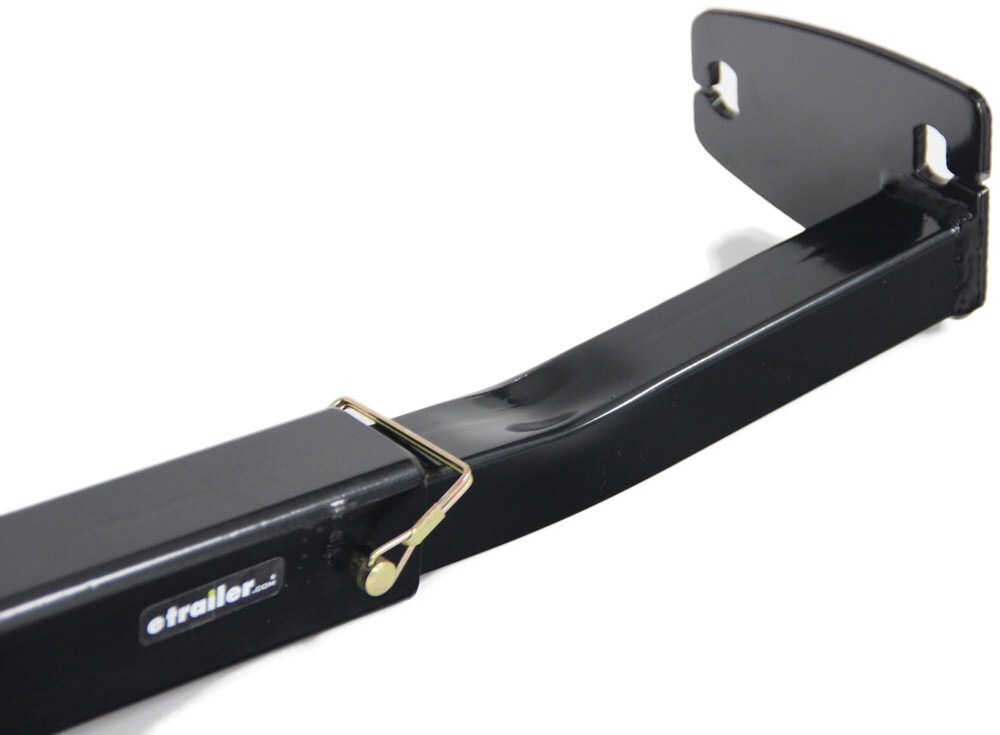
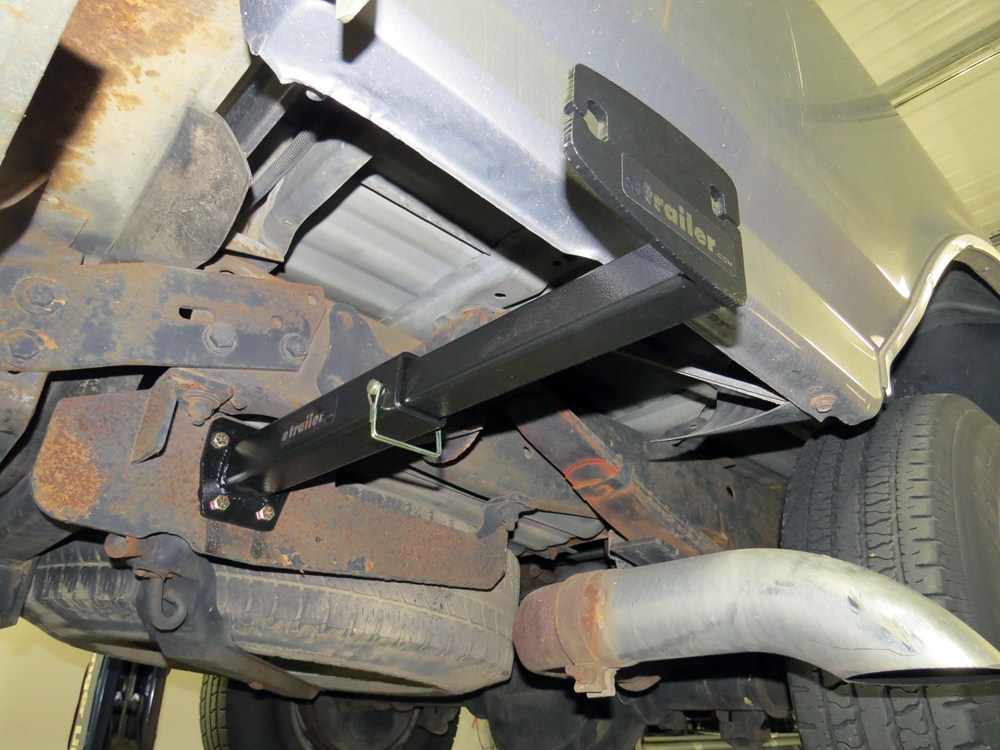
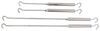
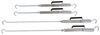
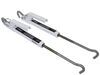
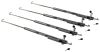
Once the tie-downs are installed, use a set of turnbuckles (sold separately) to secure the camper to the tie-downs. The shank on each arm has 2 pin holes so you can choose how far out they extend, that way the turnbuckles can reach the anchors on your camper without making contact with your truck. Tighten the turnbuckles to the correct level of tension (not too tight!).
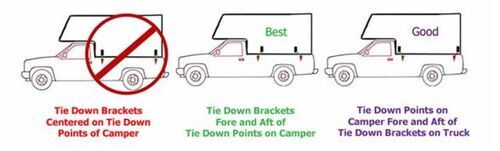
Make sure the anchor points are offset from the tie-downs instead of lined up with them so that they will hold your camper from multiple angles. This is important for keeping your camper from shifting. Two holes in the attachment plate of the tie-downs let you find the best angle for you camper anchors.
Videos are provided as a guide only. Refer to manufacturer installation instructions and specs for complete information.
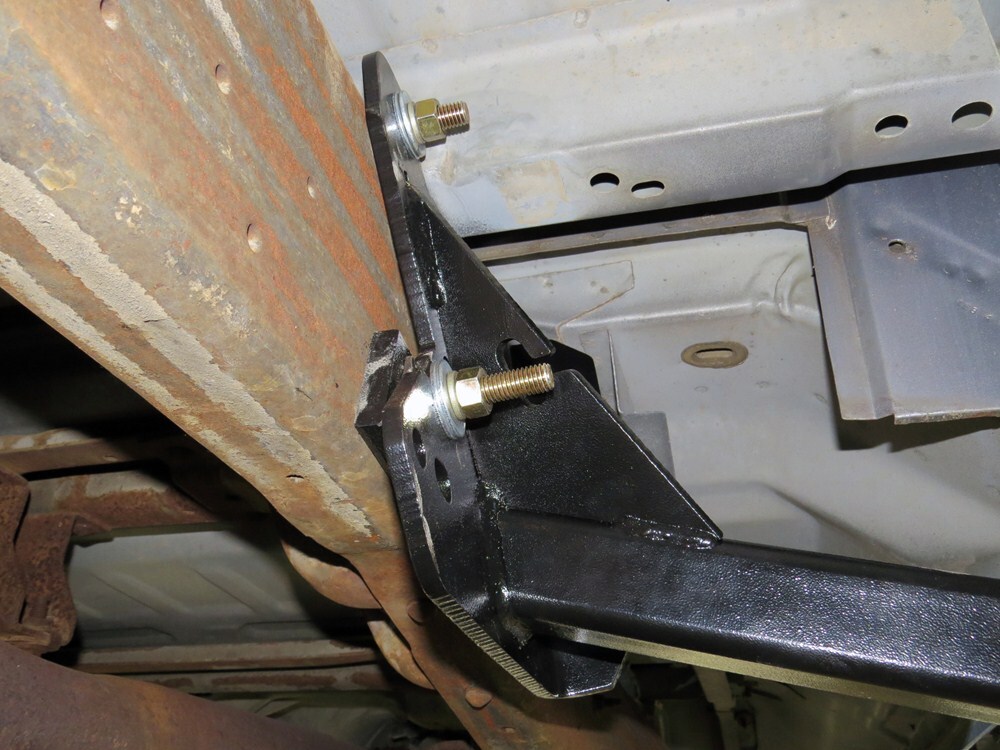
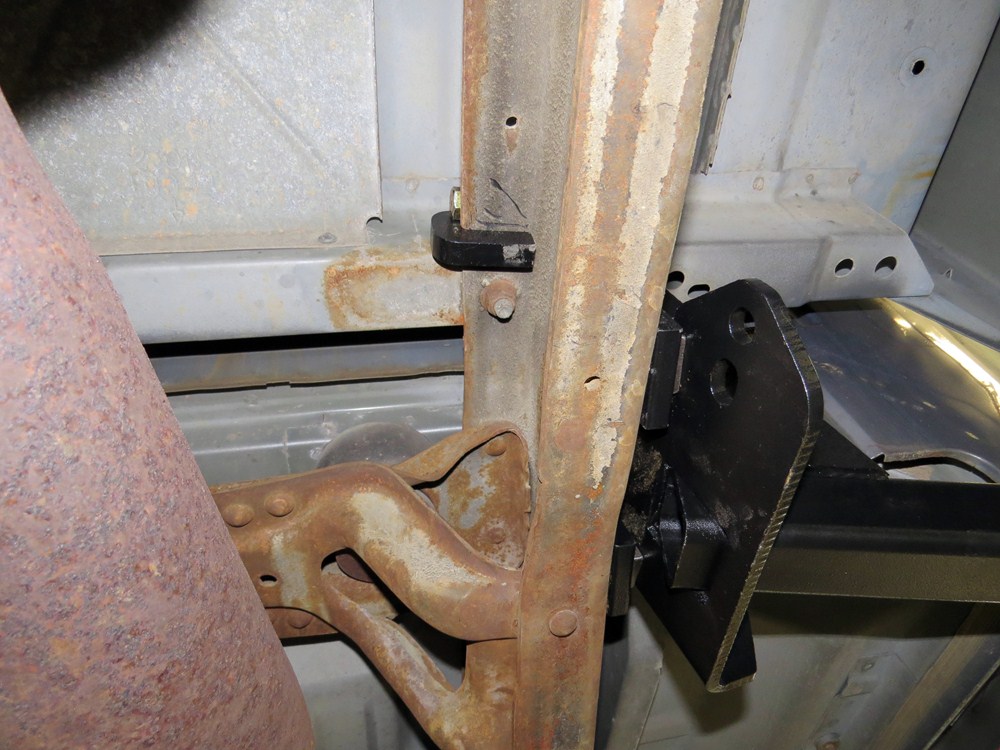
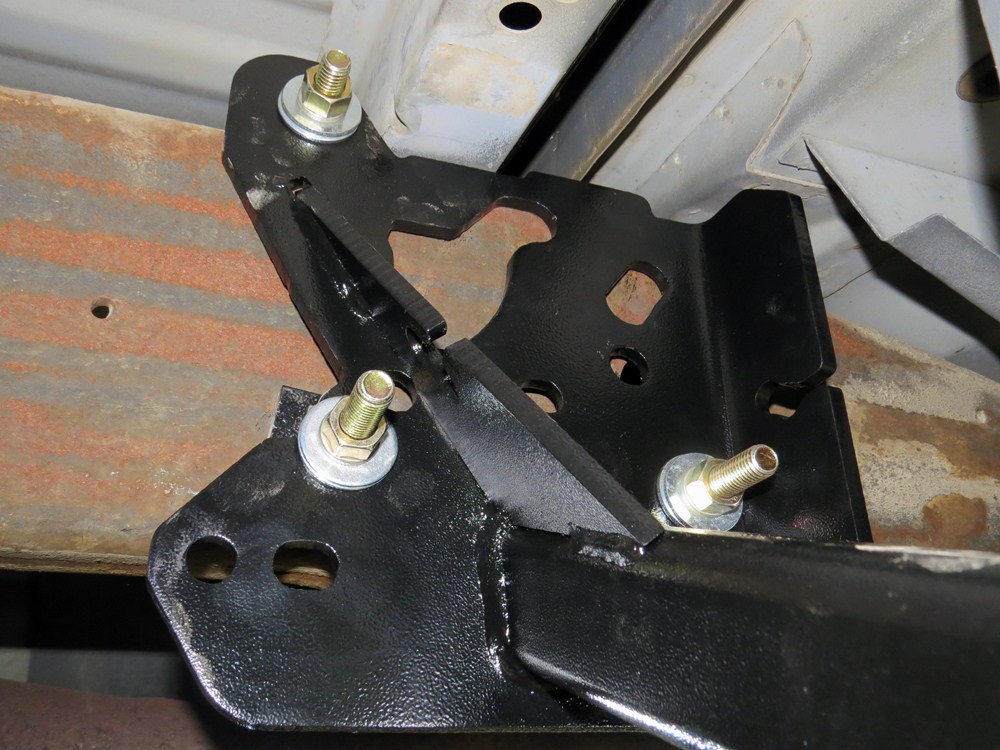
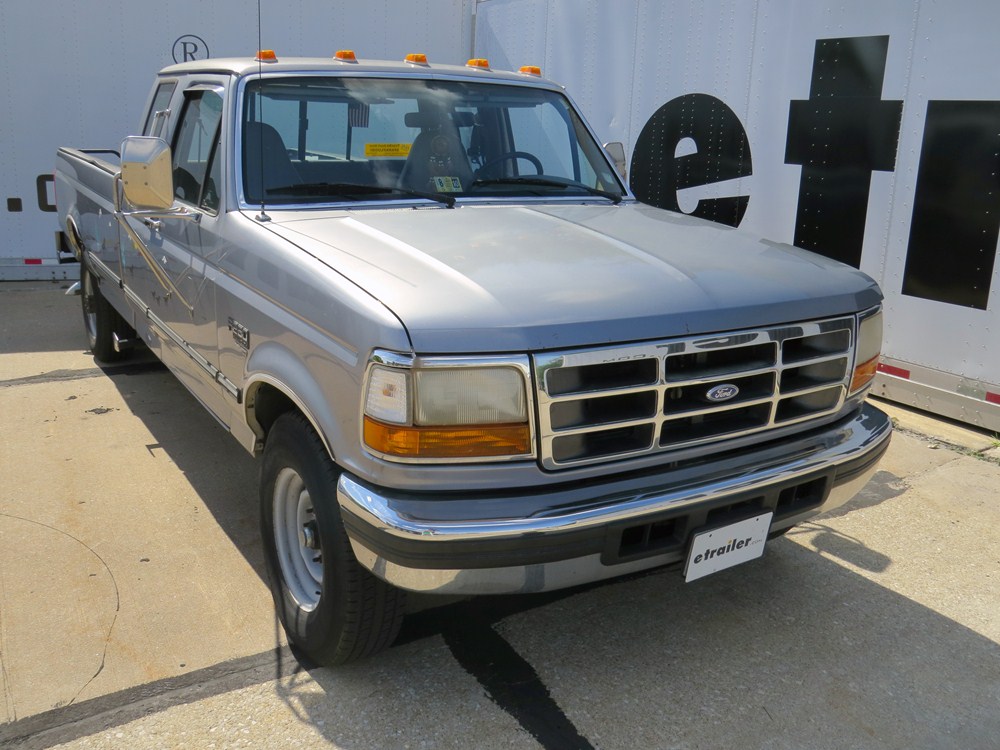
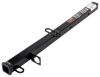
Today on our 1997 Ford F-250 Heavy Duty, were going to be installing the Torklift Custom Frame Mounted Camper Tie Downs for the front of the bed, part number TLF2000. Now were going to begin here on the passenger side of the vehicle. This right here is what the passenger side receiver bracket looks like. You want to make sure that your bracket looks like this, because there is a difference between the driver and passenger side. Now well go underneath the bed of the vehicle here. This is the front bed crossmember.
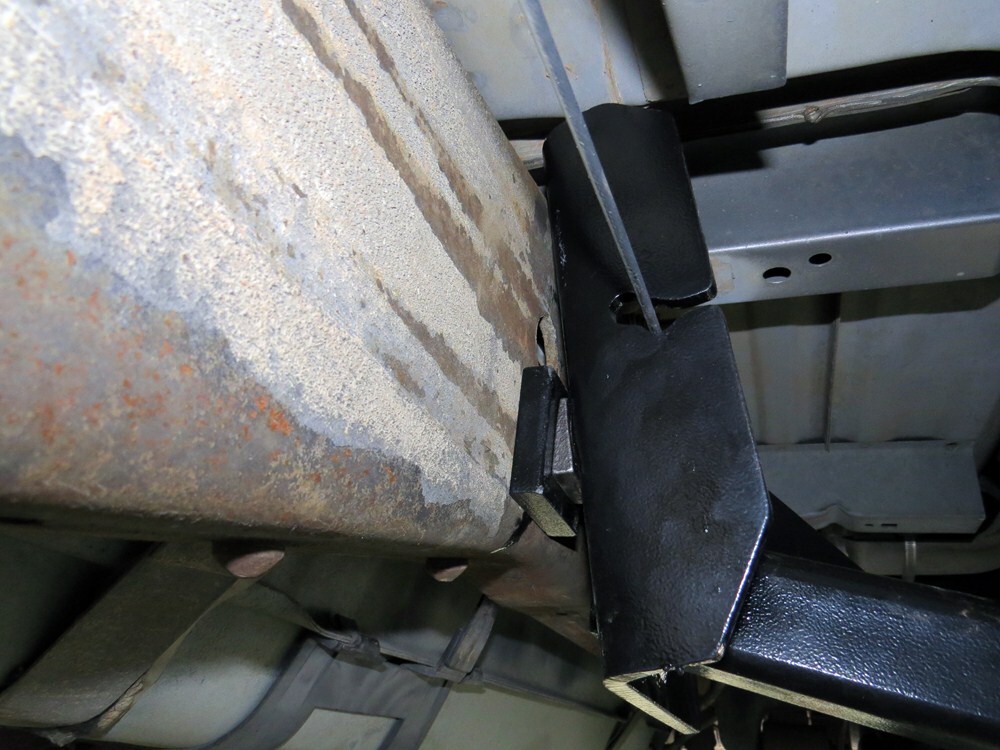
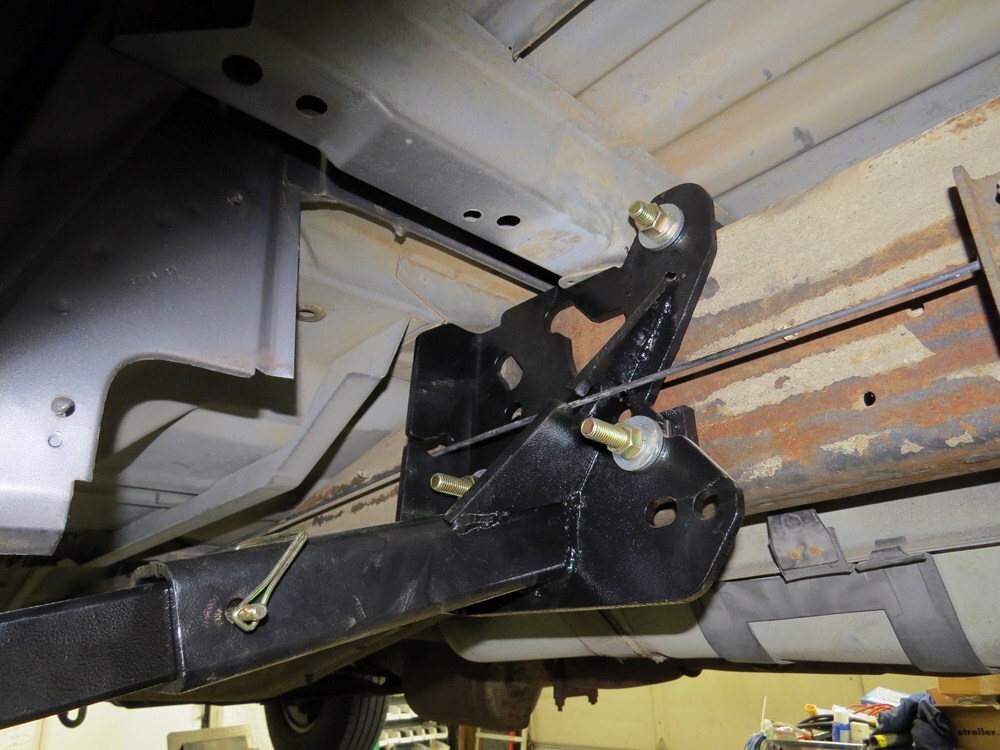
Were going to be installing this bracket right here just behind this crossmember to where it hooks on the frame. Well go ahead and take our bolt, slide it into position like this. Well then reach up and the frame will actually hook in this little groove right there. Well go ahead and reach out, slide it onto the frame and then slide it forward so that its up against the crossmember. Next were going to need to take our tie down bracket and well line up this top hole right here with the bolt that we just installed. Well slide it over it.
Were then going to take a nut to help keep the bracket in place while we make some marks. We want to make sure that the top of the bracket is level with the underside of the bed crossmember. Well then hold it in place, then were going to need to mark this hole right here and this hole right here. Now with our two locations marked, we can go ahead and remove the nut that is supporting the bracket right now. Well then go ahead and set the bracket back off. Now before you drill these two holes out, we want to make sure that behind on the inside of the frame rail that theres nothing that could be damaged when you drill.
Now with each of our holes marked, were going to go ahead and use the step bit method, where well start out with the smaller bit, and then ultimately step up to our half inch drill bit. Go ahead and take a half inch bolt, a star washer, slide it onto the bolt, then take a spacer block to round hole in it, looks like that. It goes over the bolt. Well then put another star washer on top. Well repeat this for both of the holes, so well go head and make up another one. A bolt, star washer, spacer and star washer.
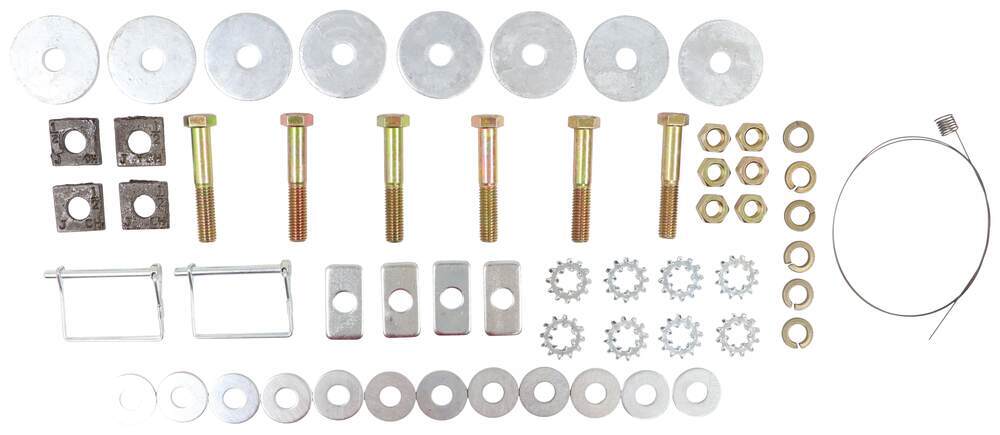
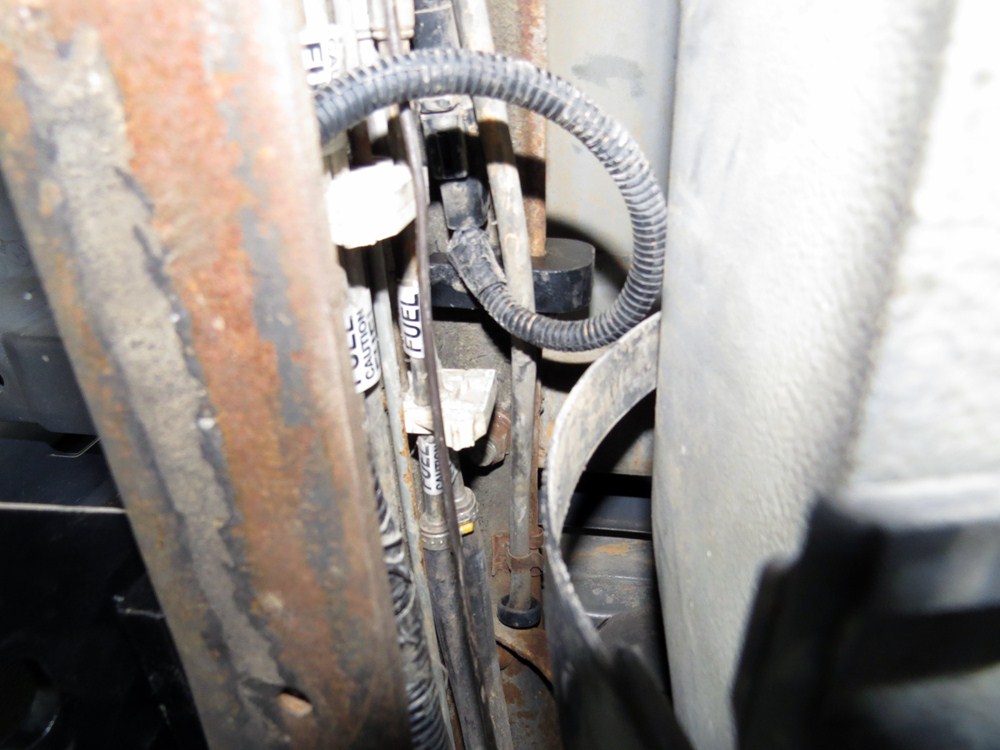
Next well install both of these in the holes that we just drilled from the inside of the frame outward. Next were going to install our 2x2 block on the bolt. Then take our wedge spacer, slide it on making sure that the thicker part is on the bottom. Like that. Well repeat this for both bolts. Next were ready to take our receiver bracket and line it back up and slide it over the top of all three bolts. Next well install two flat washers on each bolt, followed by a lock washer, and finally a hex nut. Well do this for each of the three bolts. Now that we have all of our hardware just hand-tight, well go ahead and tighten it down with our wrench. Now that our hardware is tightened down, well go ahead and torque them to the manufacturers specification. Next were ready to install the bent insert. Now youll notice that theres two holes in it. Well line up one of the two holes with the hole here and the receiver. Now depending on your camper, well determine which of the two holes youll be using. Youll also want to make sure that when installing the bent insert, the smaller edge faces towards the front of the vehicle, and the larger half faces towards the rear. Go ahead and take our pin, slide it through the hole and snap it back over the top so that it cant come out. Now well repeat the same process over on the driver side. Now keep in mind that on the driver side, there is an emergency brake cable, as well as the fuel lines that run along the frame rail. You may need to move them out of the way in order to drill your two holes and install the hardware. Now over here on the driver side, you can see here is our emergency brake cable. These two little white tabs that would hold the fuel line to the frame rail on the inside. Were going to need to push both of them out so that the fuel lines can be pushed away, so we can drill our hole. There is also a little gray tab down here that helps hold some wiring in place. Well go ahead and push that one out as well just so we can get things away from the inside of the frame rail while we drill. Our quick tech tip: these two little grooves here, thats what the emergency brake cable slide into when this receiver bracket is installed on the driver side. Now its a good idea to put a block, a metal or wood, or something behind the frame that youre drilling into it, just in case, so you dont accidentally run into either one of the electrical lines or the fuel lines. That will do it for our Torklift Custom Frame Mounted Camper Tie Down for the front half of the bed, part number TLF2000, on our 1997 Ford F-250 Heavy Duty. .

Do you have a question about this Truck Camper Tie Down?
Info for this part was:
At etrailer we provide the best information available about the products we sell. We take the quality of our information seriously so that you can get the right part the first time. Let us know if anything is missing or if you have any questions.




















Thank you! Your comment has been submitted successfully. You should be able to view your question/comment here within a few days.
Error submitting comment. Please try again momentarily.