
etrailer Classic Base Plate Kit - Fixed Arms


To see if this custom-fit item will work for you please tell us what vehicle you'll use it with.


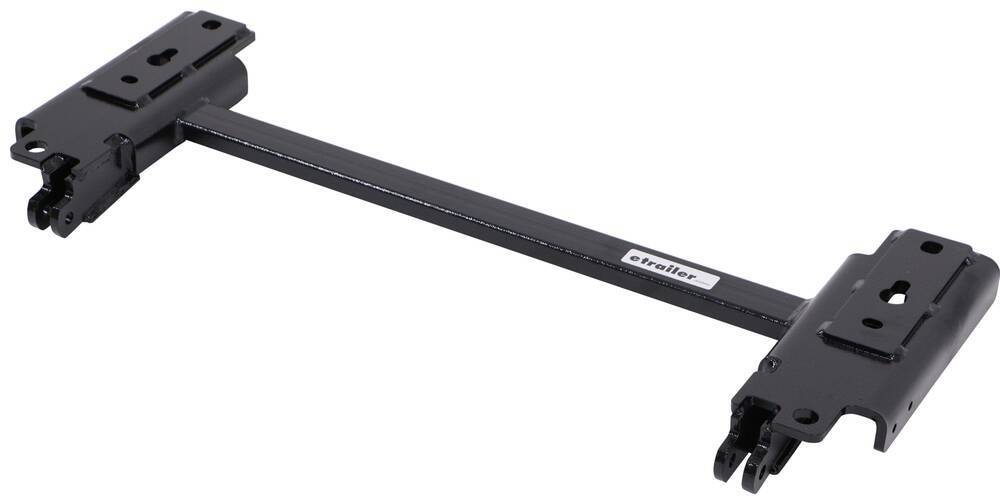
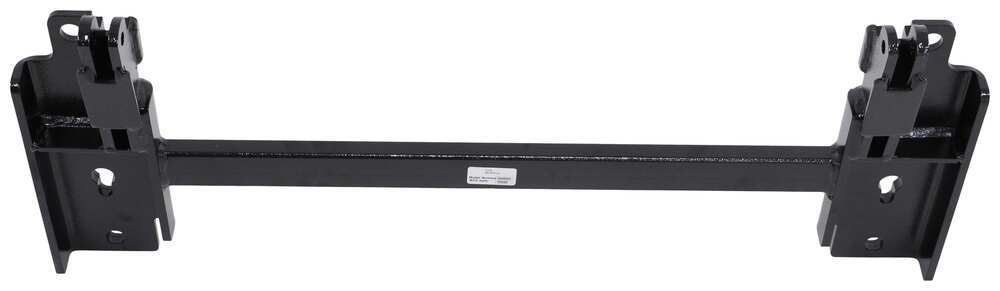
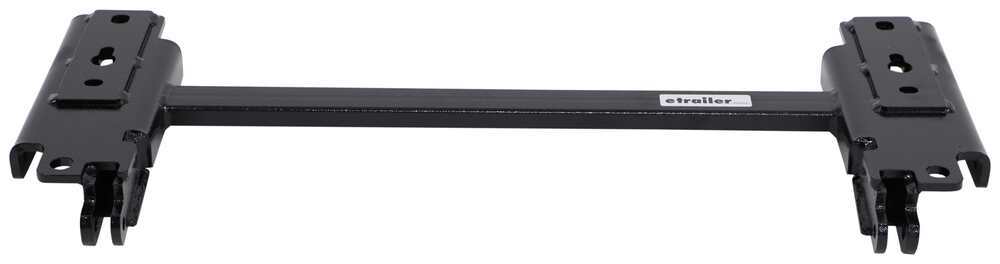
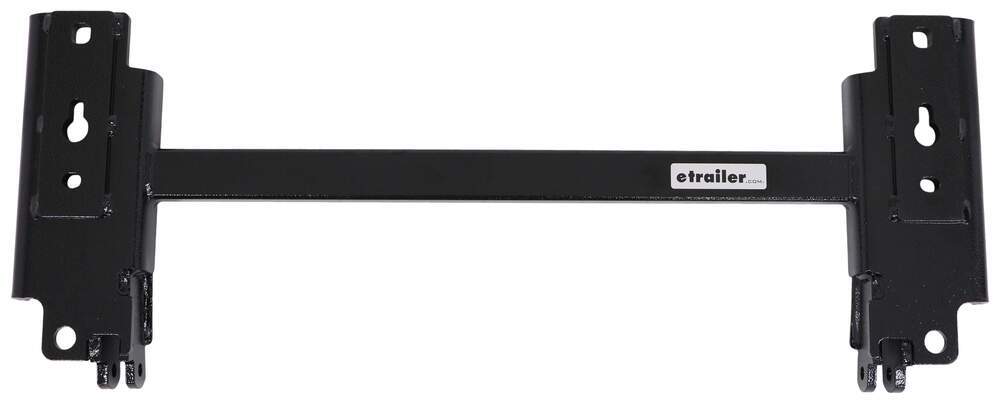
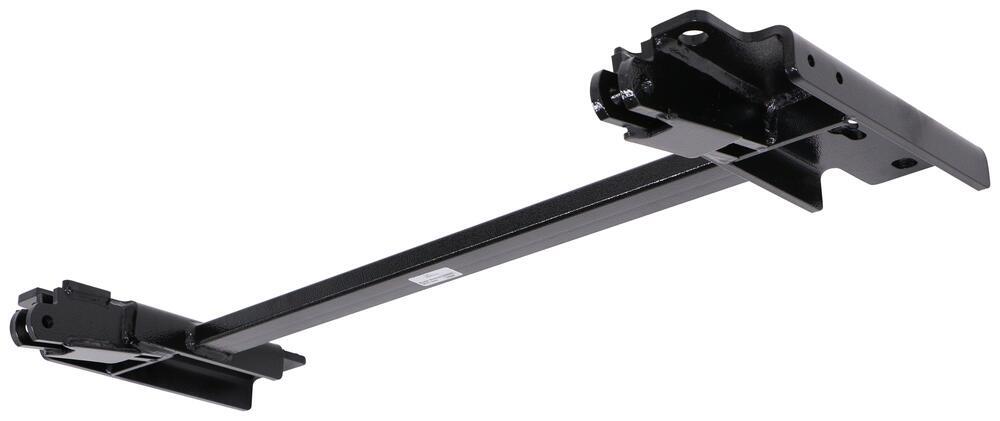
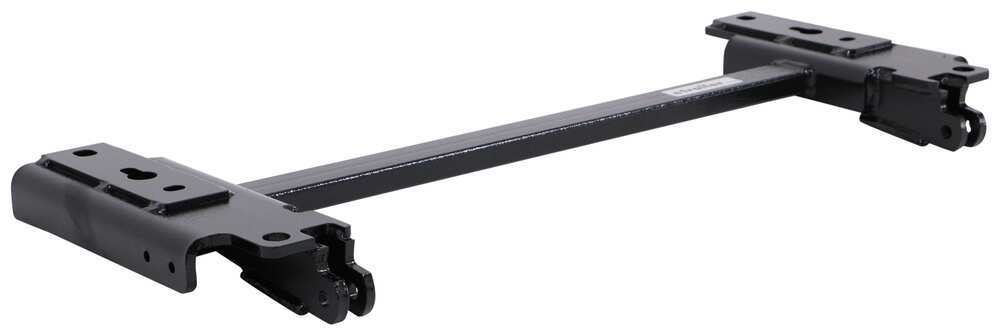

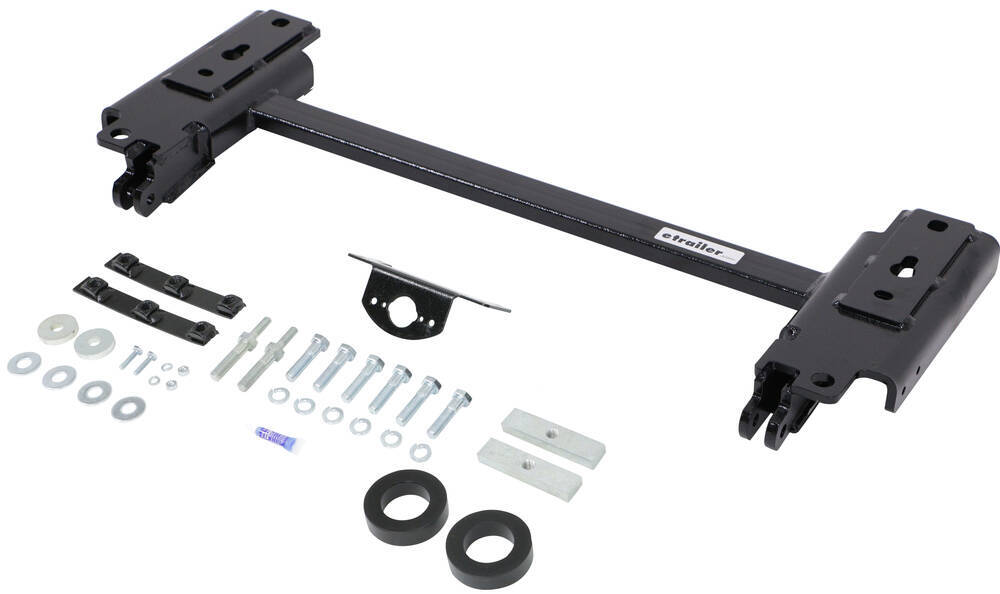
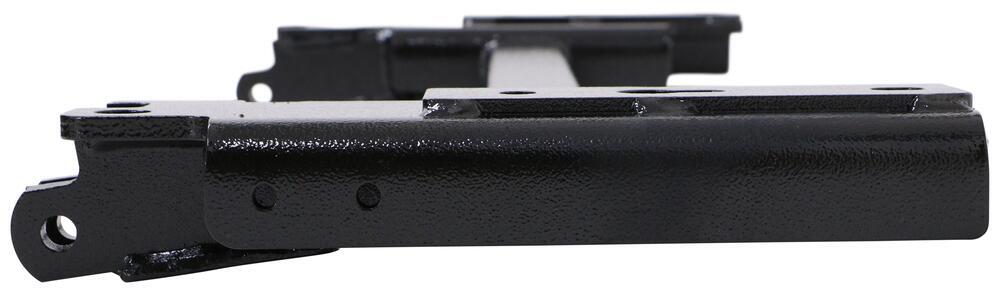



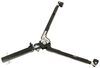
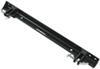
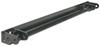
This setup keeps things simple and tidy up front. The fixed draw bars mount directly to the frame with no external crossbar or bulky brackets in sight, so only the base plate tabs are visible when you’re not towing. The hidden reinforcement gives it a low-profile look while still staying strong where it counts.
The heavy-duty steel build gives a solid, dependable connection you can trust for long-distance towing. The design spreads the towing force evenly to help take stress off the suspension. Bolting directly to the chassis, it provides a sturdy link between your tow bar and vehicle without any welding required.
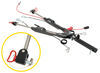
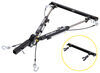
Already have a tow bar you like? This kit works with all etrailer tow bars and Demco Victory Series tow bars right out of the box. If you’re using another brand, etrailer offers adapter kits so you can keep your existing equipment: e98979, e98980, e98981, e98982, e98983, or e98984 (sold separately). The included electrical bracket makes mounting a round connector plug straightforward for a clean wiring setup.

This is a straightforward bolt-on installation that doesn’t require welding. The kit includes all necessary hardware and instructions to make the process easier for do-it-yourselfers. Once mounted, the brackets sit 30-3/8" apart with a bracket height of 15-1/2", giving you solid reference points for leveling your tow setup.

Videos are provided as a guide only. Refer to manufacturer installation instructions and specs for complete information.
All right, to start off our install, we gotta remove the air dam right here. This is our curved one, like here, there's a different type, depending on the vehicle. It gets a little different on different trim levels, but I think we got the easy one here with the curved air dam right here. Now we also have it up in the air too. You'll have to have it in the air, but just makes it easier for you guys to see what's going on, how we install it. There's two fasteners that I can see that we need to remove.
There's gonna be one here. We're gonna use a 13 millimeter socket, half inch socket will work too and we're just gonna back this off. (drill whirling) And this is the driver's side. We'll do the same thing on the passenger side. Next on the list, we need to remove a tow hook.
It's got one on each side and we need to remove them. And according to instructions, these will not be reinstalled. So we're gonna use a a 15 millimeter socket. We're gonna remove this bolt here and here. (ratchet spinning) Okay, let's move on to the other side.
(ratchet spinning) It also helps have a flex head ratchet to get up in there too. Gets a little tight, but all I have is a half inch breaker ratchet. All right, with the tow hook out of the way, there's a metal clip in here. We need to get this outta the way too. So we have complete metal to metal contact, just using screwdriver to kind of help get it started and pulled out.
There's like a little spring clip in here, so it kind of got the finesse out so it slides out backwards. (metal clanging) This block needs to sit inside the frame like this here. So we're gonna push it into this oval hole here and it use a screwdriver and kind of get it straight back down where we need it. But before we do that, it always a good idea to take one of the bolts, this is a half inch bolt, go into this half inch thread here. It's always a good idea to make sure you thread everything in there first. Otherwise you try to thread it in there and doesn't. Try to put the base plate up there and try to thread it. It's not playing nice, it's gonna make the day a lot longer. before we put this block into place. So they'll give you one piece of advice here. You wanna clean out these threads first. We're gonna use a half inch by 13 thread tap. We're gonna just clean it out using the tap. We're just gonna work it through easy, just get rid of that junk in there. One done might as well do the other one. Dropping it in slow as possible, and I'm using the long blade screwdriver to knock it around. And we'll put those threads right in the center of the square hole. The base plate reuses some of the bolts from the tow hooks and we're just gonna reinstall one in the back here. And we're not gonna throw it in all the way. We're just gonna run it in just enough to hold it. 'cause What happen is our base plate will slide over the bolt and then we'll push it back up and back. Then it'll kind of set on the bolt or rest while we can install the rest of the hardware. If you find out the threads aren't matching up with the hole anymore after you took the tow hooks out, actually you can just reach in there. And this is a bolt plate, so you can just take it, put it back into place and steer it as necessary to install the bolt. Next part we're going to do is actually trim out this section right here from the inside edge to here on up. This will give us room for the base plate. This is actually stated in the instruction, it was a little bit earlier, but it wasn't clear on exactly if you need it or not, depending on the vehicle. So we did a quick test fit and found out, yeah, we did definitely need to do on our four wheel drive pickup here. We need to cut this section out. Now you can cut this with a knife. It's pretty soft, but it's gonna take a while. So an oscillating tool will make the job a lot easier. (oscillating saw vibrating) and we will bring our knife out again, just to clean up the rough edges and kind of even it out. Unless you're crawling underneath the truck, you're not gonna see this anyway. Okay, to make things a little easier to install the base plate because it has to go through the slot. And three of this is kind of tight still. So I'm gonna go around and loosen these little screws here, here and just find 'em all the way around and see if that gets more flexibility out of it. We're using a eight millimeter socket to remove these guys. Looks like there's two here, here and one, two here, here. (drill grinding) Now in this bolt here, I'm using the extra long socket to reach down and get to it. (drill spinning) We got a little bit more flexibility out of it. It's because gonna have to pull this down to shove the base plate from inside out, So every little bit helps. At this point, you definitely wanna get extra set of hands here. I got my buddy Kevin here to help me out. Now let's gonna install from behind the plastic and come out this way. We're gonna push the bolt up as we do it, and it should fall into this keyhole right here. When you install it, don't be like us. Make sure that this keyhole, this is going towards the top. (metal bar clanging) Okay, once you get the fold through here on both sides. (Kevin speaking quietly) And then just push the whole assembly forward. Okay and you can let it rest on net for now. We'll grab the last, the two remaining tow hook bolts. We're gonna apply some blue Loctite on these guys just enough to get on there. We're gonna do both of these and then we'll get the rest of our hardware installed. Now those original first two factory bolts, we'll take those out and then put our blue Loctite on. I just like to have it more in a straight line, less messy while I'm filling in the bolts and then we'll come back and take those bolts out and put the blue Loctite on. Next up, we'll put the bolt in right here and it's gonna use that block that I told you earlier, uses the wrong hole. We can use that to our advantage and just use it to shove it over and move it into place. (screwdriver clacking) We use the screwdriver to help align it. then we'll have to add our hardware. Okay, now our hardware is 2" long bolt here. It's going to use a lock washer and they call it a heavy washer. This is an extra thick one. There's some thinner ones in there. We won't need those. So we'll just put those on here and then we'll put our blue Loctite on. (crew members murmuring) And with a lot of patients and be careful and slow, we'll thread that up in there. Now let's push the base plate up and try to get as much threads up in there as possible to help hold it up for us, that way we'll come back to this middle bolt. Now everything's being held in line for us. We can easily remove this bolt now, put a Loctite on and put it back in place. Passenger side's done. Let's do that one more time over on our driver's side. Let's go ahead and tighten these down as best we can with a ratchet still. (ratchet whirling) We'll use a 3/4" socket on this guy here. (ratchet whirling) With all the hardware loosely installed, we can go back down and tighten all the bolts down as described by a torque setting in your instructions. Now remember, at the beginning of our install, we had to take off this curved air dam here, and we also had to figure out if we had a straight one or a curve one. Obviously, this is our curved one here, but if we had our straight air dam, it'd be we just leave this off completely and actually we'd be done with it and ready to put everything else back together. But ours has a curved air dam here and it requires a little bit of different hardware that we just previously installed. This is the bolt we need to replace. It has a stud built into the top of the head of the bolt. So our, where our air dam, our curved air dam will bolt onto that. So for our purposes, we're just gonna simply reinstall or remove this and reinstall the hardware and put this back into place. Okay, once again, blue Loctite, lock washer, heavy washer, and maybe a little bit Loctite on these threads too and we'll put this back into place. (metal bolt spinning) We'll need a deep well socket to tighten this up. Before this goes on, there's still gonna be a little bit of trimming involved, so I'm gonna line this up with those bolts, with the studs on 'em, and see where I need to cut out. We will do this on both sides too. (oscillating saw vibrating) We will score this part here, make it easy. We'll just snap it off. All right, we're getting towards the end here. Let's go ahead and reinstall our air dam. This plastic spacer comes with the kit. We'll go right here and then our air dam will go right over that bolt and then this will get a flat washer, lock washer and a nut, this is all 3/8 size. All right, we use a 9/16 socket to tighten it up. (drill spinning) Okay, with that, the base plate itself is fully installed. The only thing extra we gotta do now is that, remember how we loosened this up a little bit to get some flexibility and put this in place, we'll put those screws back in.
Customer Satisfaction Score:
88% were satisfied with this product
12% of customers were not satisfied
Ratings & Reviews

Well built. Fit good. Fairly easy to in stall.
Quality parts for a reasonable price, fast shipping.
Excellent service came exactly when they said it was
Had a bit of of issue with getting the front valance to fit back on car. The tow bar should have been a 1/2 to 3/4” lower to fit in the air vent opening, I may have to cut the valance itself to get it back down to where it will fit correctly, I am still playing with it
love it! It's an excellent fit for our 2003 Jeep!
During installation we experienced some issues with part alignment between the base plate and bumper assembly causing the facia the to need trim back the facia all the way to the painted section. The hood and facia fit is tight.
Great bar for the money. Instructions were fairly easy to follow but at time they did not make sense logically. In the final step lining up the grill was confusing I had to improvise to make it work.
My order arrived in a few days, was exactly what I ordered. Installed base plates with no problems. very satisfied with results.
These are quality parts that fit and function perfectly.
I installed myself! The direction we easy to follow and the unit fit my 2017 jeep unlimited perfectly. I have over 4000 tow miles since the install with no issues.
Got what I needed it works perfectly and it came fast just as I ordered it
High quality and excellent price!
I haven't installed it yet, waiting for the artic weather to cease but the quality is very good and everything i need is there.
Received as advertised and communication was perfect.
Great experience, expensive, but very g ood!
Working great.
Good Quality product
Fit up prefect no modification nessary.
Fairly straightforward installation, was able to do it by myself.
Product was super easy to install and great support from the team at e-trailer. Thanks guys!
The finished product is great! The reason for the three-star rating is because the mounting holes didn't line up with the holes on the frame of the 2004 Jeep Liberty. The host came out a quarter inch off. After drilling the third hole according to the instructions I put all three bolts in the nut plate and made sure that all three bolts will fit in the holes easily. I then got one bolt started on one side and then found out it was completely off by quarter inch on the other side. With 0 wiggle room I put all three bolts in loosely on one side and manage to use vise grips to clamp up the other side so I can drill out the holes. I was then able to get the bolts in on the other side. Aside from the fasteners for the bumper cover being different and more difficult from the directions and not being able to disconnect the wiring harness I figure it could have been worse. At least in the end nobody will know the difference. See photos. It sure was a blessing to be able to get it so quick.
This is a really good base plate for my 2011 ford fiesta. I have installed several base plates on different cars. Installing this base plate was easier than most. Watch a YouTube video I’m not good with paper directions. The only problem I had was the threads weren’t chased to clean the paint from the threads. Ford uses several different size bolts (7mm,8mm,10mm and 12mm and a universal is handy).overall I really like this base plate because it doesn’t have the removable front pins that could be stolen when not hitched up.
Had trouble doing it online call them on the phone like we used to do it all days and it went really well very fast and very knowledgeable I will do business in the future with etrailer
Fit perfect
Do you have a question about this Tow Bar Base Plate?
Info for this part was:
At etrailer we provide the best information available about the products we sell. We take the quality of our information seriously so that you can get the right part the first time. Let us know if anything is missing or if you have any questions.
















Thank you! Your comment has been submitted successfully. You should be able to view your question/comment here within a few days.
Error submitting comment. Please try again momentarily.