


To see if this custom-fit item will work for you please tell us what vehicle you'll use it with.


Thank you! Your comment has been submitted successfully. You should be able to view your question/comment here within a few days.
Error submitting comment. Please try again momentarily.

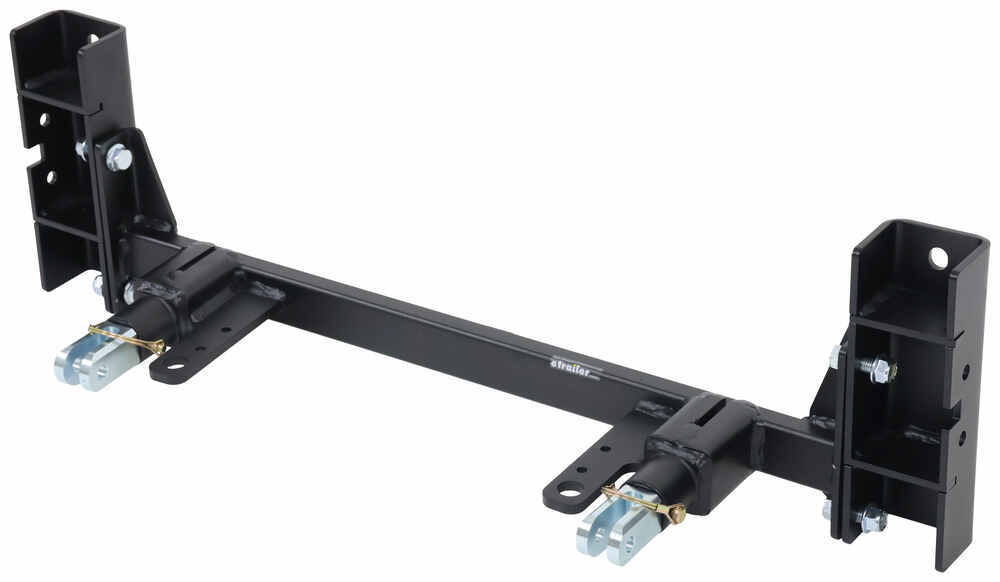
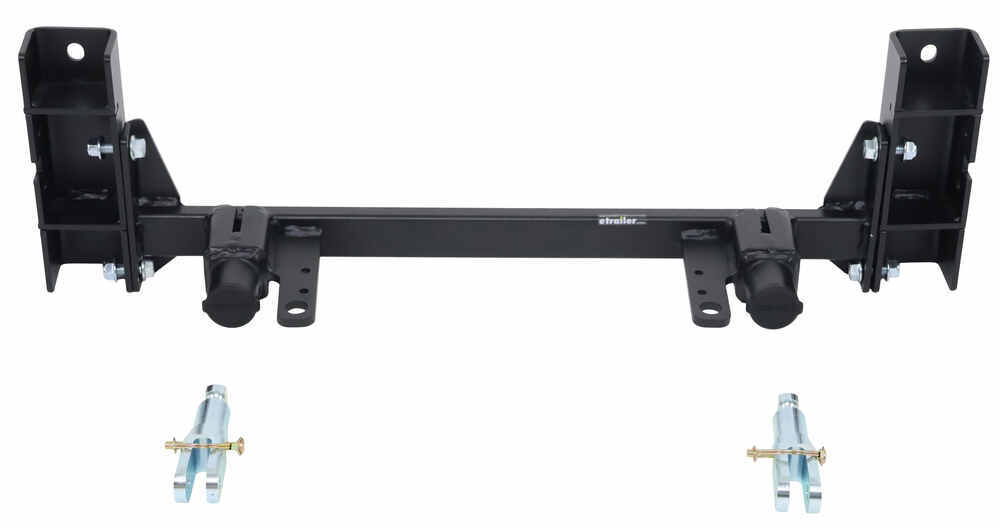
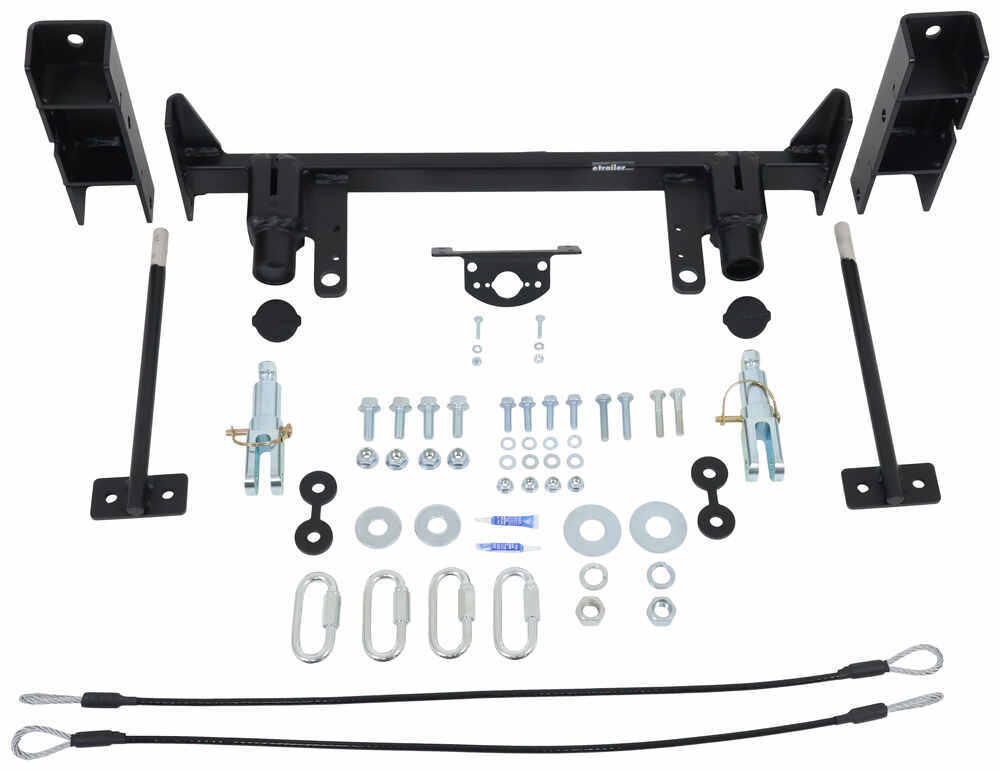
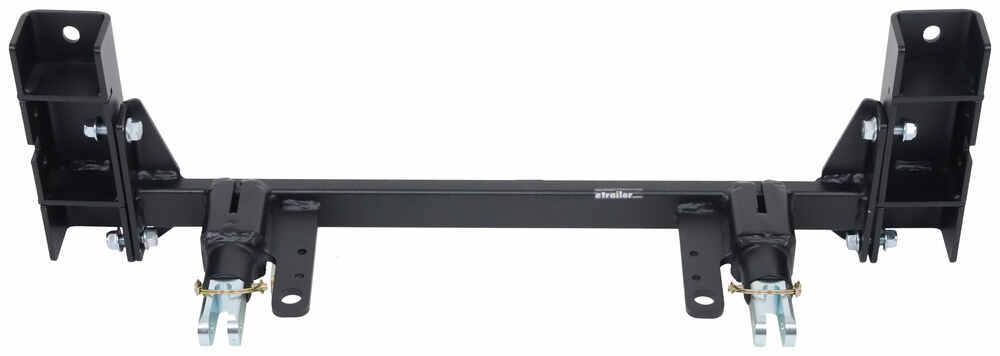
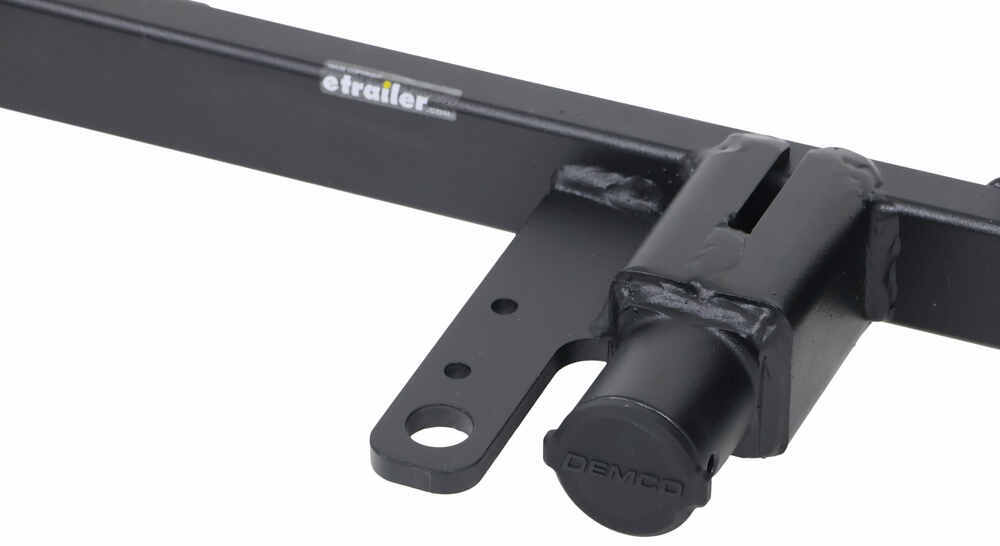
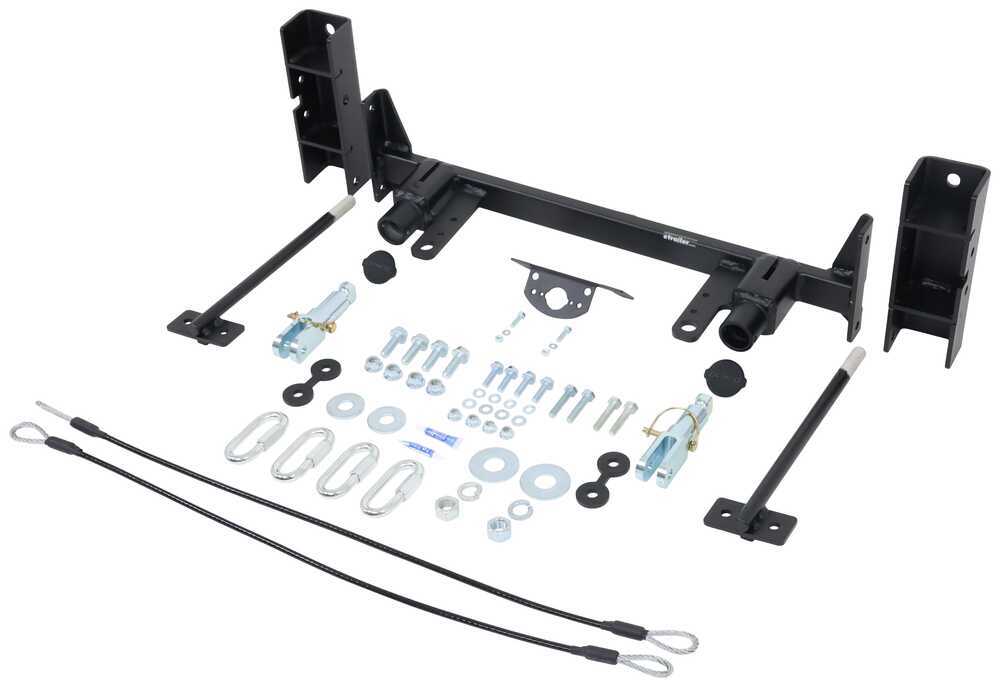
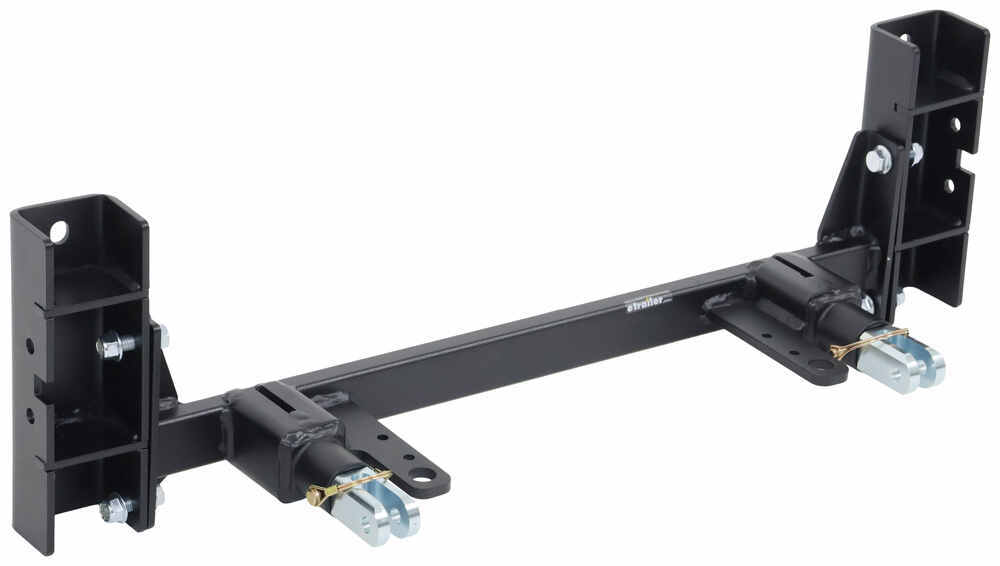
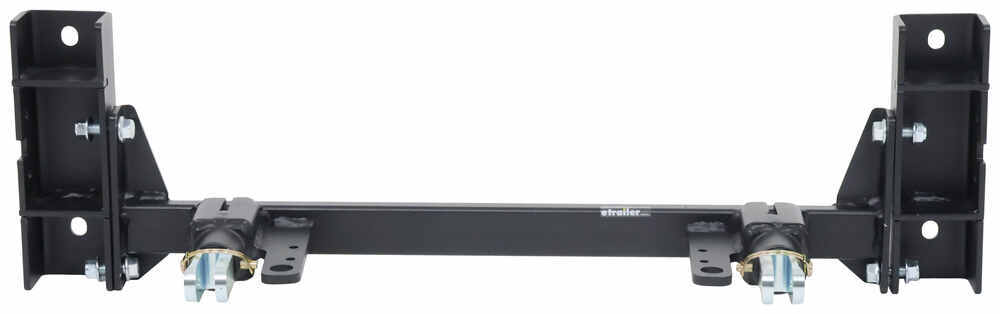
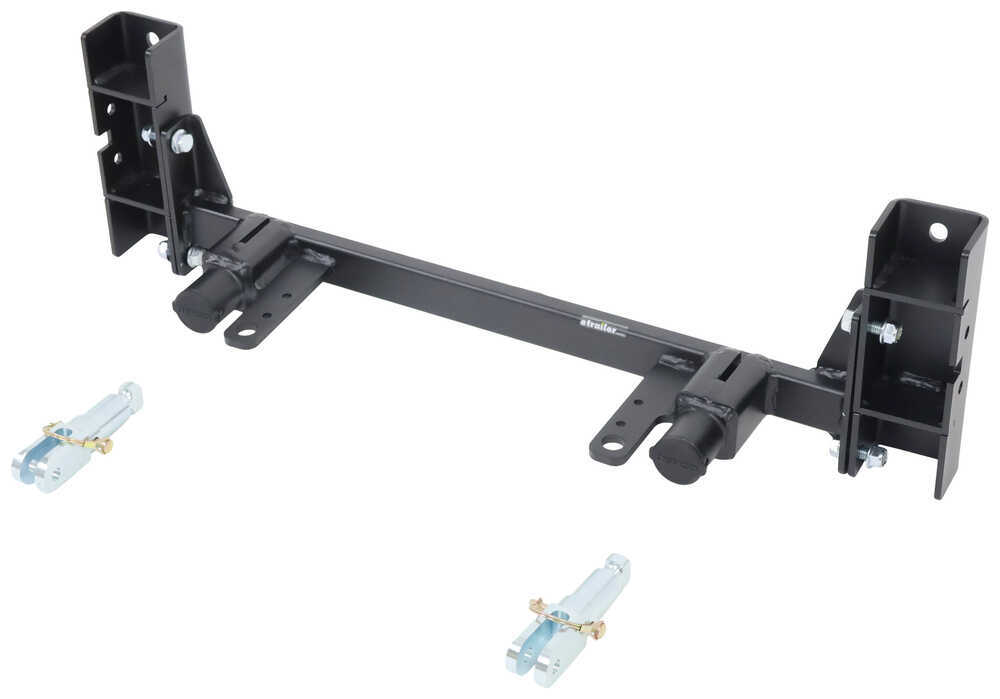
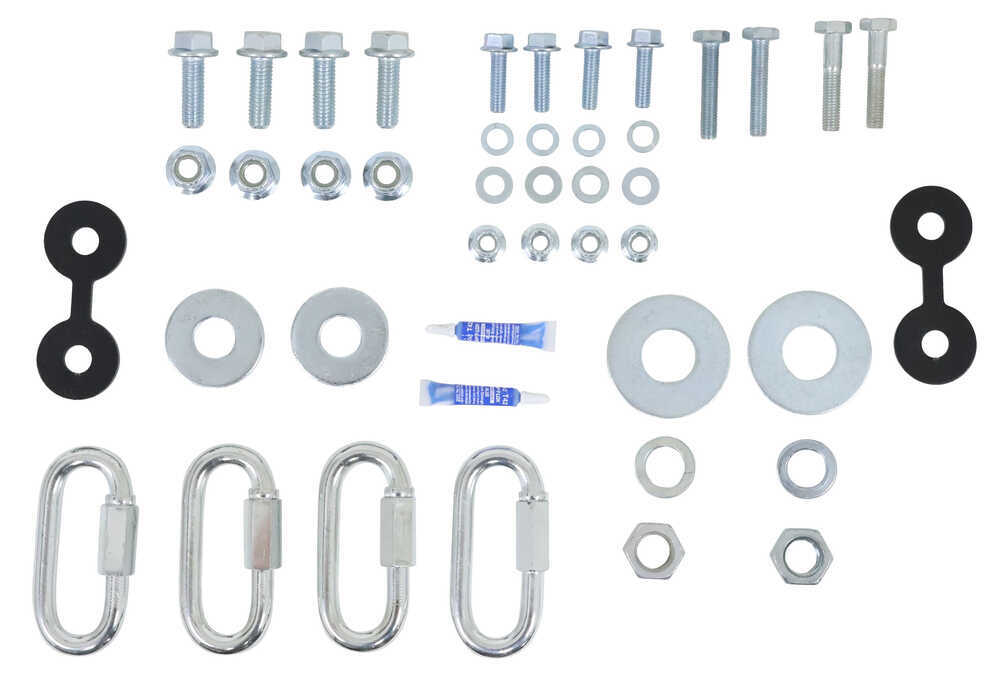



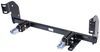
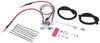
If you want your setup to look clean when you’re not towing, this kit keeps everything hidden. The removable arms leave nothing sticking out from the bumper once detached, so your vehicle keeps its factory look. Snap-in receiver covers help keep dirt and debris out, protecting the sockets from corrosion so the arms slide in smoothly every time you hook up.
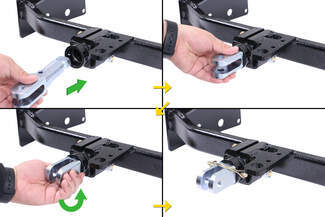
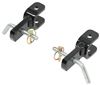
Connecting your tow bar is simple with the twist-lock design. Each arm slides into the base plate socket and locks into place with a quick twist, making it easy to secure even when you’re by yourself. The setup feels solid and intuitive, giving you a reliable connection every time you tow.
Already have a tow bar you like? This base plate works directly with etrailer, Demco, Blue Ox, and Curt Rambler tow bars without an adapter. If you use a Roadmaster tow bar, just add the right adapter—e98983, e98984, e98979, or e98981 (sold separately). That flexibility keeps your options open if your towing gear changes in the future.
This kit bolts onto existing attachment points for a secure fit that spreads towing forces evenly across the frame. The heavy-duty steel build gives you confidence for long trips, while the included receiver covers help guard against dirt buildup and rust so your hardware stays easy to use over time.
Knowing your measurements makes setup easier. The distance between brackets is 21-1/2" and bracket height is 17-1/2". With those specs in hand, you can line up your tow bar and accessories for a smooth and balanced connection every time.

Videos are provided as a guide only. Refer to manufacturer installation instructions and specs for complete information.
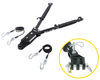
Hi, I'm Daniel with etrailer, and today we're gonna take a look at, I'm gonna show how to install the etrailer base plate kit on our 2025 Jeep Grand Cherokee. There's gonna be five main components with your flat tow setup here. Now I'm just gonna briefly cover all of them, but if you wanna go into more depth, then check out our videos on each one of these individually. But starting here at the vehicle side, we've got our base plate and this is just gonna be the device that attaches directly to the vehicle's frame that allows you to have an anchor point for your tow bar. And this is your tow bar here. It just is the in between between your motorhome and your vehicle.
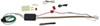
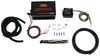
And then you're gonna need some safety cables down here, just an extra set of precaution. And you're also gonna need a braking system just so everything stops when you're stopping in your motorhome. And then lastly, you'll need some wiring. So you're gonna have to get some diode wiring in the back of this, so your turn signals and brake lights will function on the rear lights of your vehicle. Now, those we inchesre the components you're definitely gonna need.
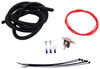
Now, some vehicles will require other components that you will need, like the Grand Cherokee here. This will require a charge line kit. That's just gonna provide a trickle charge from your motorhome, because this braking system we have is going to drain the battery. So that's definitely something you need. Now, let's focus on the base plate.
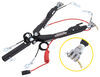
So this is what it's going to look like, and of course you can attach it via these arms here. Now, I'll go ahead and take these components off so you can see what this looks like without it hooked up. Now, these arms are compatible with the Blue Ox tow bar like we have today. They're also compatible with the Curt Rambler and the Demco Kwik-Tow. So they're compatible with quite a few different tow bars.
Now, if you have a Roadmaster already, you will have to buy a separate adapter, but it will still work with that. And take this out, you just turn it, and it'll pull straight out. When you don't have this hooked up, it looks pretty good actually. The base plate doesn't stick out too far. Now, you will have to do a lot of trimming around this front fascia piece, so that can be kind of daunting. One thing I do really like about this base plate is they have, on the safety cable tab, two holes, and they give you this bracket so you can mount all of your components right here. And that's a big deal, especially on the Jeep Cherokee, because there's really nothing back there to mount this two securely. So you can just put it all in a line, and it's pretty neat that way. Something to keep in mind when doing your flat tow setup is the height your base plate sits on your vehicle. So we measure it from the ground to the center of the base plate. We got about 21 inches. That measurement's important to know because you want everything to be as level as possible to your hitch on your motorhome. So you might need a high-low adapter. You just wanna come over here and measure from the ground to the center of your hitch. We got about 19 and a half, so we're all good because you want about three inches plus or minus. So definitely keep that in mind and purchase a high-low adapter if needed. Now, if you have any other questions about any of the other components you've seen here today, maybe your braking system, maybe your tow bar and what's gonna be best for your setup, feel free to reach out to us here at etrailer. We do this all the time so we'd love to help you out. As far as the install goes, this is pretty in-depth. You will have to remove your entire fascia, and there's a ton of steps doing that. Now, it's not too daunting if you watch the video. I'll take you through all the steps on how to do it. And you're also gonna have to trim that fascia, like I was talking about. So if that's not something you're wanting to do yourself, you can check out our dealer locator. We can find a professional in your area to get this installed for you. But if you wanna do it yourself, follow along, and I'll walk you through how we did it. Starting off, I got the hood open, and we're gonna take this middle trim piece out. And there's just gonna be a ton of push pin fasteners. So I'm gonna get a flathead. And with that core popped up, I can get a trim panel tool and get this under here and get these out. There's gonna be one side that has a little divot in it, and that'll allow you to put your flathead in. Once we removed all 10 of those, we can lift this away and set this aside for now. We are removing the fascia, so I'm gonna take all these fasteners that are holding the front fascia in. I'm gonna use a T40, (tool whirring) and get all these removed. (tool whirring) On both sides there's gonna be another fastener, and we're gonna use a 10 millimeter to get these out as well. (tool clicking) I'm over here on the driver's side wheel well and whatever I'm gonna be doing over here is gonna be the same process for the passenger side. Now, I have an eight millimeter socket, and there's gonna be a couple of fasteners we'll have to remove. I'm gonna start here way at the back, (tool whirring) get these taken out. (tool whirring) And to get at these, it's really helpful to have an angle drill like this. I did move the tire just a little bit, but that doesn't give you a whole lot of room still. But there's five fasteners where I started right there, and there's gonna be one more eight millimeter right behind the wheel towards the front a little bit. So I'll get this one taken out as well. (tool whirring) I switched out to a 10-millimeter socket, and there's gonna be three plastic nuts we'll have to remove. One's pretty close to that one we just removed. (tool whirring) And the next one's a little bit higher up. (tool whirring) And the last one is gonna be up top. (tool whirring) With all those taken out, we can pull back on our fender and get our carpet pulled back. Just wanna get this enough and to get it kind of tucked behind the tire so we can have some room to work. All right, like that. Right on this seam, there's going to be a bolt, so traveling all the way inside. It's gonna be a bolt going through. So I got a swivel adapter, and this one is a bit hard to get to, so just take your time to make sure it's all the way on there. We can now pull this trim piece all the way back, and you can just pull it back a little bit. Just get your hand in there. I have a 10 millimeter socket that I'm gonna put on the fastener that's back here. There's two types of fasteners. There's a white fastener. It's kinda like a bullet fastener where you can put this on there and it should unclip it. And then we'll pull that other fastener out. So I'm gonna travel up here doing that same thing, putting this on the white fastener. You can see that white fastener in there. We're just trying to get those clips to release. And then those other fasteners have that green clip on there. So I'm just gonna go all the way up to our seam, just a little past it. And so now I'll just put some paper towels in here and get this to hold out for us. We got the vehicle up in the air. I'm gonna use an eight millimeter socket and remove more fasteners. (tool whirring) There's gonna be five. (tool whirring) And I'm gonna switch out to a 10 millimeter, and there's gonna be two more. (tool whirring) Behind this plastic piece in front of the wheel, there's gonna be another eight-millimeter fastener that's gonna be on both sides. (tool whirring) With all those removed, we can pull this underbody panel down, and then we can get to two push pin fasteners on either side, so we'll take those out. I'll use a trim panel tool to get both of these popped out. There's gonna be two plugs we'll have to remove. And the first one is this larger plug. There's gonna be a white pin which is going to get this pulled out. That'll just pop out just a little bit, and then you can push down on this and disconnect this. And then the other plug is right next to it. And there's gonna be a red tab on this one, and I'll just pull back on that. Might need a tool, it's a little difficult. And then I'll push in on this, get this disconnected. On the passenger side you'll have to remove two plugs, but you're also gonna have a line, and this is gonna have your windshield wiper fluid in it. And this is just traveling to your front camera to wash that. So I'm gonna get this removed, but it is gonna start leaking. So I'm gonna upstream, I'm gonna clamp on some Vise-Grips so this won't leak everywhere. I don't wanna go too tight, I don't wanna hurt the tube, but I just want it to be enough to stop leaking. Then I'll take some pliers and get this disconnected. Now we can get this fascia removed. There's gonna be a small tab right at the seam that you wanna pull down, and then you can pull out on this side piece. And once you've done that, I got Scott over there helping me on the other side. And we'll just work our way, unclipping everything. And we wanna get this off the peg in the center. Once we've done that, we can lift this away and set it to the side. With the fascia removed, we can remove this bumper. So I got a 16-millimeter socket. (tool whirring) Remove these larger bolts on both sides. Now I got a 10-millimeter socket. I'm gonna remove this smaller bolt. And once you removed all that hardware, we can take our bumper beam off. And we won't be reusing this so we can just set this to the side. That alignment pin that was holding on our bumper, we'll have to remove. I did stick a magnet through this hole in the frame just so I can pull this out so it's not in that frame rolling around. Now we need to install these side brackets. There's a couple of different orientations these can go depending on your model. And we're gonna install it on a model that has a lower shutter, and they don't have factory tow hooks. So definitely check your instructions and make sure which model you have, because there are a couple different ways. So how we're gonna do it is we're gonna have this square notch that's gonna be facing outside, and then the two holes that our base plate middle section's gonna go into, these are gonna be facing up. So I'll get these lined up with these two holes that this is going to be screwed into. So I'll line up the best I can, and I'll just take a marker, draw a line on this plastic piece. We will have to trim this out. As you can see there was some metal that was protruding out, and I just got that all trimmed. And now I'm gonna paint it with some spray paint here so this doesn't rust. I held this back up and we are gonna have to do some trimming on this bottom piece. I just mark where I'm gonna cut this out and get this trimmed up. We'll get our side bracket put on with our hardware. We're just gonna use these 10-millimeter bolts. It's gonna have a smooth shank to it. And then we're gonna get a lock washer and a flat washer on there. Now, all of our hardware going forward is gonna take this blue Loctite, and this does come in your kit. Gonna get this on both. Now, I'll hold this up in place and get these loosely threaded in. Now we can install our cross member. And again, the model you have is going to determine the orientation if this is gonna be flipped upside down or not. So ours is gonna be with the holes and the brackets facing up. Now, I'll get this in between our side plates, and we may have to do some trimming. So let me just get this roughly in place and then we'll see. Now, I did end up having to cut a little bit of this air dam here. I'll probably cut about two-inch piece off, and that way I was able to get this to fit properly. So now with that in place we can put our hardware in, got our half-inch bolt, and then we'll put that through our middle section into our side plate. And then I'll take a nyloc nut and get that attached. And I'll do this on all four holes. So I'll get this on the upper. Since our model does not have tow hooks, your kit actually comes with this rod that's threaded on the end, and this will get attached to our side plates. Now, you have two washers that are connected together, and that'll go basically right like that. Then I'll put this through that hole in our frame. Get this lined up. You wanna make sure that tab is sitting in your section there. And I'll take our bolts, I'll put these through. And on the other side I'll just put a flange nut. On the threaded part of this long rod, we're gonna get our inch washer, our 3/4 washer, and then a locking washer, and we'll put that on. Then I'll get our larger nut, get that tightened on. (nut rattling) We can now tighten and torque everything down. So I'll start here with our side plate and get that tightened to our frame. We're using a 17-millimeter socket. (tool whirring) I'll tighten this intersection next with a 19-millimeter socket and wrench. (tool whirring) Using a 14 millimeter socket and wrench, I'll tighten up the bolt into our support rod. Now, I'll torque everything down in that same order. If you don't have a torque wrench, you can usually rent one from your local auto parts store. And do check your instructions, 'cause all these hardwares are gonna have different torque values. Just make sure you're torquing them to the proper value. Once you torque everything down up front, you can go in the back and torque down this larger nut on the support rod. Just use a inch-and-an-eighth socket. I already installed the safety cables. They just need to be wrapped around some part of the base plate, and then wrapped around the frame. So I went low here. There's a lot of different ways to do this, and of course, depending on the model, there's different ways to do this as well. You just need it to be secured just in case something happens. This will catch it because it's wrapped around the frame. Now, at this point I'm going to put some of the other components up here like our diode wiring and our breakaway switch. Then we can put our fascia back on the same way we took it off. We will have to do some trimming, but I'm gonna run some of the other components, and then we'll come back to this. Before I trimmed out where I needed to so our base plate could fit properly, I took the foam out of the back of our fascia. And there's just gonna be four rings, and they're gonna be on there. And you can just break these off because you're not gonna be reusing 'em. So I just got some needlenose and twist 'em off. And then took this whole thing off. Then after that I grabbed an extra set of hands and we threw it onto the vehicle. And I kind of marked where I was going to cut. I just used an oscillating tool and just cut some of this mesh out of here so everything could fit. Now we brought our Jeep outside, we hooked all of our other components up to our motorhome, and once you've done that, you can hit the road onto your next adventure. And that just about does it for the look at the etrailer base plate kit on our 2025 Jeep Grand Cherokee.
Customer Satisfaction Score:
82% were satisfied with this product
18% of customers were not satisfied
Ratings & Reviews

If you follow the easy to read and understand instructions, it’s a breeze to install. Beautiful!!! Highly recommend rhese baseplates
Like the look of the base plate ( hence invisible).
Amy was very knowledgeable about your products and Absolutely Professional as well Prompt with obtaining Correct information. Very friendly and helpful. Will Surely use your products and services when needed. Thank you
Excellent quality workmanship. Installation instructions were clear and the process was straightforward. Very pleased with the end result.
Very good quality. Great instructions and install video.
easy to find on your web site, quick delivery, everything needed for a quick and secure installation. The instructions were easy to follow and all parts were included and fit perfectly.
Fit my 2018 Colorado 2WD manual perfectly. I disconnect the drive shaft and hose-clamp it to the gas tank cross-member when I flat-tow it. works perfectly
This is a great base plate, it really looks good and integrates well with the front of the jeep.
Very easy to install and I love the finished look. However I had to cut a couple of relief points in the rock guard in order to get the back two screws into place. Without these the rock guard would bind against these points on the base plate and not allow the rock guard to travel back far enough to reattached the screws. I have a 2025 Jeep Wrangler Sahara.
Easy installation on my F-150. Videos on website are very helpful.
Great fit, great instructions.
They were easy to install and came with good instructions and pictures. This is the second vehicle I have installed this product on and etrailer is my go to.
Relatively easy install. Double check the skid plate templates. I had to change mine significantly, not just holes but slots from the top all the way to the bottom of the towbar. In the end, they look great they install well. Very nice system.
Install of the baseplate itself was not difficult and went smooth. The templates to cut out the holes in my plastic shroud were not accurate. It took some additional trimming to get right and I found that a bit frustrating.
Heavy duty bracket. The included bracket for the electrical is also heavy duty.
Mounted on a 2025 Bronco with modular bumper. I did have to do a little additional cutting on the bumper to make it fit.
Easy installation if you watch the videos on the etrailer website.
I like the fact that this base plate is hidden behind the air dam below the bumper.
I have installed three base plates on my vehicles. All have been purchased from trailer. They have all been rather easy to install just a matter of taking the time it takes. On this last one mounted on my 2024 Ford Maverick I recommend adding to the instructions an easier way to unplug the light plug from the front facia. I think it is much easier if one turns the wheel full left and unplug the socket before pulling the facia. Easier than current instructions that say be careful when pulling the facia since the plug needs to be undone. I was able to do the whole thing by myself this way and not needed someone else to hold the facia while disconnecting the plug.
Everything went together well and it looks great. No cutting or modification needed other than drilling the frame for the 2nd bolt. 2023 GMC Sierra 1500 AT4 Duramax
2025 Ford Mavrick AWD Hybrid. I have installed 2 base plate kits on Honda CRVs.
Piece of cake. Remove front cowling..install base plate..done. Not so on my 2 day old Mavrick. 1 add a spacer to move kit away from shutters...adding washers is super poor planning on manufacturing's part..2 you don't have to go up & over in the middle now 70% of the condenser air flow is blocked by welded steel..could have been much better. 3 provide a mounting ring or hook...wrapping a safety cable around sheet metal components is silly Engineering.
Installation on a 2018 Jeep JL Unlimited Sahara went well, no surprises. Attaching the base plate to chassis safety cables required some ingenuity as the instructions were useless in this installation. Etrailer should post some actual installation photos vs. a poor generic diagram.
Easy to install and works like should. I put a aftermarket bumper on as well so it was simple with no issues to install I have pulled it over 6000 miles and a lot of one nighter stays. It is simple to hook up and no issues pulling.
Came very well packaged, looked great very well made and heavy duty.
Instructions could have been better.
Template for air dam cutout just a rough starting point you will need to do more trimming for proper fit. Overall very happy looks great and very solid.
I've bought from e-trailer several times and I'm always happy with my purchase. The base plate and tow bar are of excellent quality and a good price. Installation was as not too bad; I watched the installation video for my truck even though it was for a different base plate. It gave me enough information to get the job done.
Neat & orderly with good instructions & video
Nice setup. Instructions were little off for my application (2026 with shutters) Shutters had to be removed to install correctly. Instructions did not cover this. Everything fit as it should. Final product very satisfied.
Info for this part was:
At etrailer we provide the best information available about the products we sell. We take the quality of our information seriously so that you can get the right part the first time.




















Claire H.
6/2/2026
Hi Shawn, the etrailer Invisible Base Plates part # e66GV are not a fit for the 2026 Jeep Grand Cherokee, which is why the shutters had to be removed, and the instructions didn't cover it. These base plates fit the previous 2025 Jeep Grand Cherokee model, but due to changes in the fascia and bumper they're not a fit for the 2026 model due to those modifications. However, the actual frame of the 2026 Grand Cherokee is still the same as the 2025 model, so the base plates are safe to tow with.