


How to Clean Nuts Welded into Frame of 2011 Kia Sorento to Install Trailer Hitch
Updated 06/06/2020 | Published 06/04/2020
Question:
Hi, I was going to install the trailer on my 2011 Kia Sorento but the threaded holes on the underside of the vehicle are dirty/rusty. Ive already tried cleaning with a wire brush and have had minimal success. Can I buy an M10 tap for the threaded holes and retap them to make the threads usable? Any help would be much appreciated! Cheers, Cameron
asked by: Cameron J
Helpful Expert Reply:

Absolutely. If the wire brush and WD-40 treatment didn't work, brake out the big guns and hit that frame mounted weld nut with a M10 x 1.25 thread tap. Be sure to spray a generous amount of WD-40 or other spray lubricant up into the weld nuts before using the thread tap.


Product Page this Question was Asked From
Curt Trailer Hitch Receiver - Custom Fit - Class III - 2"
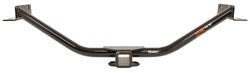

- Trailer Hitch
- For Towing
- Class III
- 350 lbs TW
- 3500 lbs GTW
- 2 Inch Hitch
- Visible Cross Tube
- CURT
more information >
Featured Help Information
Instructions
Miscellaneous Media


Continue Researching
- Q&A: Comparing Curt # 13195 and Draw-Tite # 75908 for 2017 Kia Sorento
- Article: Brake Controller 7- and 4-Way Installation Kit (ETBC7)
- Q&A: Replacement Caliper Mounting Bolt for Disc Brakes
- Q&A: Can I Swap Out My Kodiak Hub and Rotor for a Deemaxx Hub and Rotor?
- Article: Holiday 2025 | Staff Picks for Real-Life Adventures
- Q&A: Deciding Between The Curt And Draw-Tite Hitches For My 2021 Subaru Forester
- Article: Holiday 2025 | Best Gifts for RVing
- Q&A: Recommended Trailer Hitch and Wiring for 2011 Hyundai Santa Fe with Spare Tire Under Vehicle
- Q&A: Recommended Replacement For An Atwood G6A-8E RV Water Heater
- Q&A: How to Tell the Difference Between a 4-Bolt and a 10-Bolt 5th Wheel Hitch Mounting Rail
- Article: How to Clean Weld Nuts for the Installation of a Trailer Hitch | etrailer.com
- Article: Dealer Spotlight - Taps Truck and Auto Accessories
- Article: Ball Mount Basics: Weight Capacity, Class, and Size
- Article: How to Measure for Trailer Hitch Drop