Built for work away from pavement, these chains add traction in snow, ice, and mud on tractors, skid steers, and backhoes. Pick square link ladder patterns for strong bite or go with twist link and H pattern options, and match the set to your tire size. For easier installs and a snug fit, use tensioners and check inside clearance near the frame, especially with R4 tires on packed snow or ice.
Yes, off-road chains can transform R4 tires on packed snow and ice. R4's do very poorly on packed snow/ice, so chains are an absolute must. Rear chains made it possible to push a PTO snowblower uphill in 2 wheel drive in ideal conditions. For most snow removal, front chains and 4wd are necessary. Check that your tire fill and pressure are appropriate, especially if your tires are liquid filled.
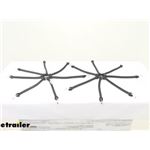
Check inside clearance between the tire and frame, especially if you don't have wheel spacers. Chains can contact the frame; zip tying everything tight and adding a small bungie across the tread at the closure point can help keep chains from hitting. Tensioners can help maintain a snug fit. Each chain can be around 70 lbs, so expect some wrestling during install.
Square link ladder patterns are favored over twist link for traction in snow and ice. One comparison called square link ladder the better option when matched up against twist link. H patterns with twist links offer consistent traction too. Match the pattern to your surface—deep snow and mud call for traction-focused designs.
They can hold up well on skid steers used for snow removal. Users report using them on 9k lb machines without wearing down as fast as one might think. Operator use is key—try not to spin the tires on steeper driveways to help with longevity. Verify the chain type is intended for skid steers and commercial use before you commit.


 Grader
 Heavy Equipment Tire Chains Parts or Accessories
 Filters