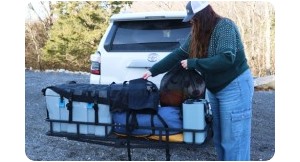
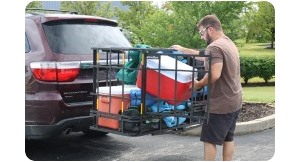
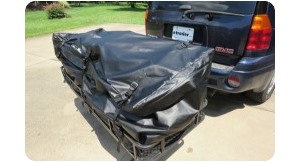
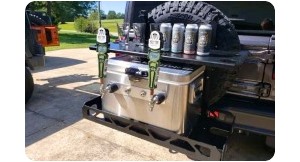
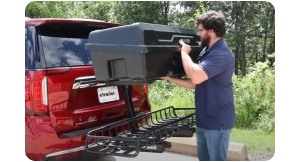
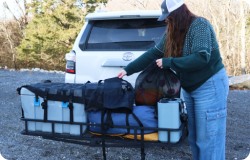
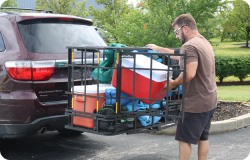
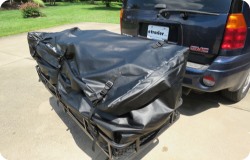
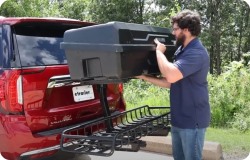
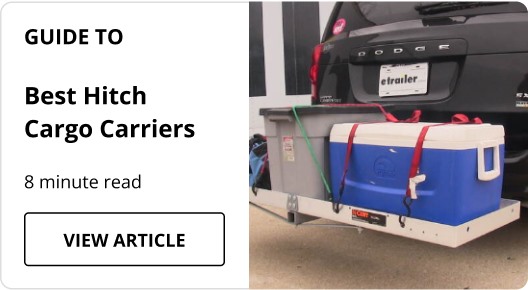
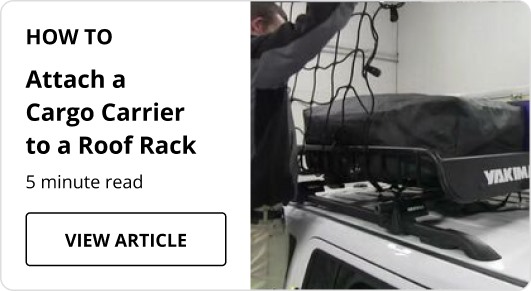
Getting extra gear where you need it starts with choosing where to carry it. Hitch-mounted cargo carriers make heavier or bulkier gear easier to load, while roof cargo carriers free up space inside your vehicle and keep your hitch available. At etrailer, we'll help you find the setup that works for your vehicle, your gear, and the way you travel.Not sure which setup is right for you? Start by choosing where you want to carry your gear below.
The right cargo carrier depends on what you're carrying, how much it weighs, and where you want it on your vehicle. At etrailer, we load and test hitch cargo carriers, roof boxes, baskets, bags, and other cargo systems on real vehicles so you can see how they fit, how much room they provide, and what to expect on the road.With over 75 years of helping neighbors, 35,000+ installations completed, and more than 1 million photos and videos, we've worked with these cargo setups firsthand and can help you find one that fits your vehicle, your gear, and the way you travel.
What kinds of cargo carriers can I get for my vehicle?
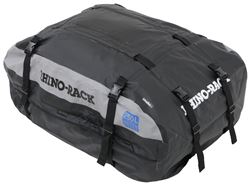
There are two main options: hitch mounted and roof-mounted carriers. Hitch carriers are easier to load and work well for heavier or bulkier gear. Roof carriers, including boxes, baskets, platform racks, and cargo bags, free up space inside your vehicle and keep your hitch available.
How can I tell if a hitch-mounted cargo carrier will fit my vehicle?
First, check if your vehicle has a trailer hitch. Then confirm the receiver size, usually 1-1/4" or 2". Make sure the carrier matches that size and that your hitch can handle the weight of your gear.
Should I choose a hitch cargo carrier or roof cargo carrier?
Choose a hitch cargo carrier if you want easier loading and need to carry heavier or bulkier gear. A roof cargo carrier keeps your hitch and rear cargo area available but requires lifting gear higher. Your vehicle's hitch capacity, roof capacity, cargo weight, and how often you need rear access can help determine which setup works best.
What size cargo carrier do I need?
Start with what you normally carry and how much it weighs. Coolers, camping gear, and bulky luggage often work well on an open hitch carrier or roof basket, while smaller travel gear can stay protected in an enclosed hitch carrier, roof box, or cargo bag. Check the carrier's dimensions, weight capacity, and your vehicle's available capacity before choosing.
What’s the difference between steel, aluminum, and plastic cargo carriers?
Steel carriers are strong and durable but heavier. Aluminum carriers are lightweight and resist rust. Plastic carriers are lighter but usually have lower weight limits. The right choice depends on what you’re hauling and how often you’ll use it.
What accessories are useful with a cargo carrier?
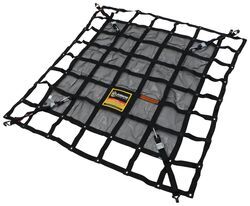
Tie-down straps or bungee cords help keep gear secure, while a hitch lock can help protect a hitch-mounted carrier from theft. Cargo bags and covers provide added weather protection for luggage, camping gear, and other items. Choose accessories based on your carrier and what you're bringing.
Not sure where to start?
Tell us what you’re carrying and what you’re driving. Call, chat, or send us a message and we’ll help you find a setup that fits.